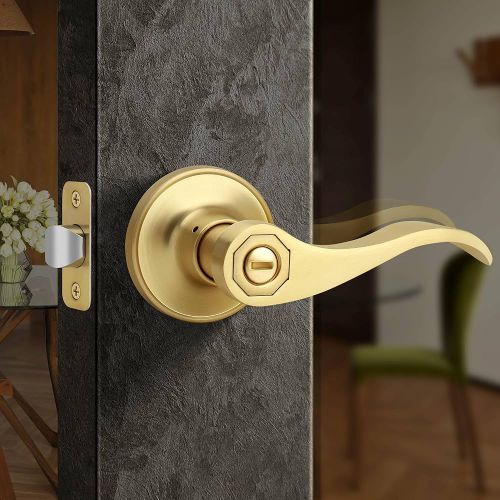
Why Are Simple Cabinet Pulls So Expensive?
When undertaking a kitchen remodel, refreshing a bathroom vanity, or updating built in storage, many homeowners are shocked at how much "the little things" can cost. Despite their straightforward appearance, these small pieces of hardware such as simple cabinet pulls often carry a hefty price tag. Why would such seemingly basic objects cost so much?
The answer involves several intertwined factors: materials, manufacturing processes, design, functionality, and market forces.
By the end, you'll have a clearer understanding of why those minimalist cabinet pulls might be one of the most valuable (and smart) investments you can make for your space.
The Role of Simple Cabinet Pulls
At first glance, simple cabinet pulls seem like minor finishing touches. However, their importance cannot be understated:
Functionality: They provide easy, ergonomic access to cabinets and drawers.
Durability: Good quality pulls withstand years (or decades) of daily use.
Aesthetics: Hardware acts as jewelry for cabinets, greatly influencing the overall look and feel of a room.
Choosing the right hardware can unify design elements, elevate modest cabinetry, or add subtle sophistication to high end kitchens and baths.
In particular, kitchen cupboard drawer pulls must balance both form and heavy function, needing to resist wear from constant handling, moisture, grease, and cleaning chemicals.
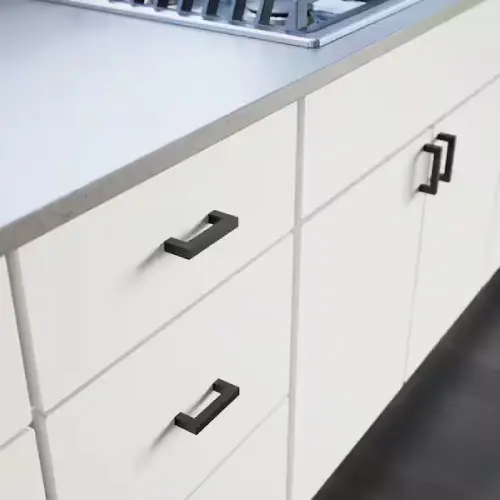
Why Materials Matter?
One of the primary reasons simple cabinet pulls are costly is the materials used. Even when a pull looks plain, it can be made of:
Solid Brass: Valued for its strength, corrosion resistance, and weighty feel. True solid brass pulls can be significantly more expensive due to raw material costs and machining difficulty.
Stainless Steel: Especially important for kitchen cupboard drawer pulls, stainless steel offers unmatched durability and resistance to rust and tarnish.
Zinc Alloy: More affordable, but still requires quality control to ensure strength and longevity.
Aluminum: Lightweight but can dent or scratch more easily, necessitating thicker or treated designs.
Bronze or Pewter: Often used in artisan and handcrafted pulls, these metals are expensive and difficult to mass-produce.
Materials don't just affect price — they determine whether the pull will age gracefully or require premature replacement.
Craftsmanship and Manufacturing Complexity
Another hidden cost in simple cabinet pulls is the craftsmanship involved. Even "minimalist" designs require:
Precision Casting or Forging: High end pulls aren't just poured into a mold and packaged. Many are forged for strength or carefully cast and finished.
Machining and Detailing: Drilling exact mounting holes, smoothing edges, and achieving consistent sizing across thousands of units takes time and skill.
Hand Finishing: Brushed, polished, antiqued, or powder-coated finishes may be applied manually to achieve specific textures and appearances.
Quality Control: Premium brands inspect each piece for defects, maintaining consistency batch-to-batch.
Manufacturers producing wholesale cabinet handles at scale must maintain these processes carefully. Even small flaws can lead to visible issues once installed across an entire kitchen or bathroom.
The Impact of Design
When choosing cabinet hardware, especially simple pulls, many people assume less ornamentation equals lower cost. Ironically, the opposite is often true.
Minimalist designs require:
Perfect Proportions: Without decorative details to distract the eye, any flaw in symmetry, spacing, or size becomes obvious.
Subtle Ergonomics: Simple pulls must still be comfortable and easy to grip, demanding careful design refinement.
Elegant Finishing: Flawless surfaces and finishes are essential because there's nothing to "hide" behind.
Designers spend time refining even the plainest-looking pulls to ensure they work beautifully — and this meticulous attention increases costs.
Supply Chain and Small Batch Production
Another contributing factor is how simple cabinet pulls reach consumers:
Shipping and Import Duties: Many high end hardware brands manufacture abroad (Italy, Germany, etc.), where craftsmanship traditions run deep. Shipping, customs, and import taxes all add to the final price.
Small Production Runs: Unlike mass-produced consumer products, cabinet hardware is often made in relatively small batches to ensure quality and exclusivity.
Distribution Costs: Hardware typically passes through distributors, showrooms, or specialty retailers — each adding a markup to cover costs.
For those seeking savings, exploring wholesale cabinet handles can offer better prices — but even wholesale suppliers must cover manufacturing and logistics expenses.
Specialized Features in Kitchen Cupboard Drawer Pulls
Kitchen cupboard drawer pulls face unique demands compared to pulls used in other areas:
Stronger Attachment Systems: Drawers, especially wide or heavy ones, need hardware capable of handling substantial force.