
2026-02-28
Why Modern Electronic Keypad Door Lock Technology Matters to Businesses
In today's commercial environment, security, operational efficiency, and user convenience are not optional — they are strategic imperatives. Traditional mechanical locks and physical keys, while historically dominant, are increasingly seen as limited in flexibility, difficult to manage at scale, and ill-equipped to support integrated security ecosystems. As organizations pursue digital transformation across their facilities, electronic keypad door lock systems have emerged as a core component of intelligent access control.
From enterprise campuses and healthcare facilities to multi-tenant residential properties and high security zones within industrial complexes, the modern keyless entry door lock is no longer a novelty. It represents a convergence of hardware reliability, digital credentialing, and integration with broader building management systems (BMS), identity platforms, and security analytics.
Chapter 1 — Technical Foundations of Electronic Keypad Door Locks
What Defines an Electronic Keypad Door Lock?
At its core, an electronic keypad door lock replaces or augments traditional mechanical locking hardware with an electronic system that controls access based on digital authentication, typically via keypad-entered passcodes. It may also integrate additional credential types, such as RFID cards, mobile credentials, or biometrics.
The main structural elements include:
Keypad Interface: The user interaction surface where codes are entered; may include backlit or tactile buttons, capacitive touch interfaces, or programmable keypads.
Electronic Control Unit (ECU): The embedded logic system that validates credentials against a stored access list.
Actuator or Solenoid Mechanism: The electromechanical component that engages or retracts the locking bolt.
Power Supply: Often battery-powered with low-power alerts; some systems support wired power with battery backup.
Communication Module: Optional networking via Bluetooth, Wi-Fi, or proprietary RF protocols for integration with access management systems.
In modern enterprise implementations, these locks rarely operate in isolation; instead, they are part of coordinated systems that provide centralized policy control, audit logs, and real-time event notifications.
How Modern Keyless Entry Door Locks Differ from Traditional Locks?
While mechanical locks rely on physical keys that require duplication, physical distribution, and rekeying when security is compromised, modern keyless entry systems eliminate many of these constraints. Key differences include:
Credential Flexibility: Codes can be issued, updated, or revoked remotely without changing hardware.
Auditability: Entry events are logged with timestamps and user identifiers.
Integration with Identity Systems: Access rights tied to personnel databases or enterprise identities.
Remote Management: Administrators can manage access across multiple locations from a central console.
These capabilities make electronic keypad door locks particularly attractive in multi-door, multi-user, and multi-site environments.
The Evolution Toward Digital Credentialing
While keypad codes remain fundamental, many modern systems support hybrid authentication methods — combining keypad entry with mobile credentials, RFID cards, or even biometric factors. This layered approach strengthens security while addressing user preferences for convenience.
For example, a facility might require a user to enter a passcode on a keypad and then present a mobile credential via Bluetooth for two-factor access to sensitive areas. This flexibility underscores why organizations view electronic keypad door locks not just as hardware upgrades, but as strategic infrastructure components.

B2B Considerations: Procurement, Security, and System Integration
Commercial Procurement Priorities for Electronic Access Systems
From a procurement standpoint, selecting an electronic keypad door lock requires detailed evaluation of multiple dimensions:
Security Assurance and Credential Protection
Business leaders prioritize locks that support:
Encrypted credential storage
Tamper detection and lockout policies
Brute-force mitigation (e.g., temporary lockouts after failed attempts)
Secure firmware updates
These features help prevent unauthorized entry and protect against evolving cyber-physical threat models.
Scalability and Centralized Management
Enterprise facilities often require centralized control over:
Thousands of users
Multiple entry points
Complex access policies (e.g., time-based access windows)
Modern systems integrate with cloud-based or on-premise access management platforms, enabling administrators to define policies, revoke access instantly, and monitor activity across all door locks in the portfolio.
Integration with Enterprise Systems
Leading buyers look for interoperability with:
Identity and access management (IAM) platforms
Human resource systems (for automated onboarding/offboarding)
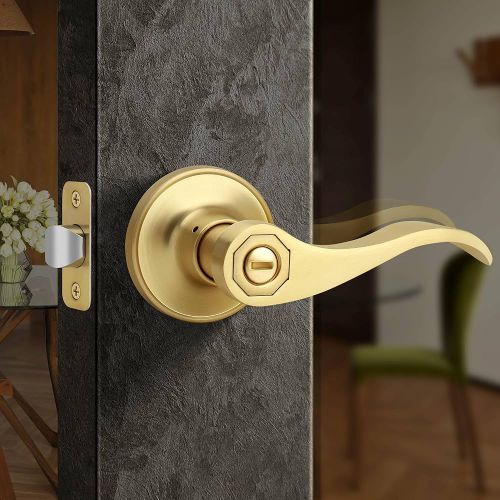
PRODUCT KNOWLEDGE - March 10, 2026
Difference Between Passage and Privacy Lockset
Learn the difference between passage and privacy locksets. Discover how bathroom privacy lock handles improve interior door functionality.
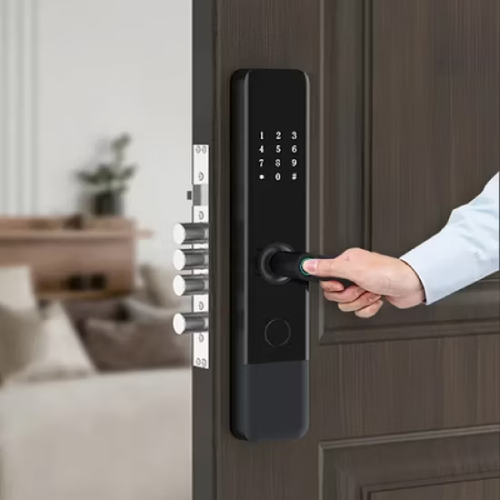
PRODUCT KNOWLEDGE - February 26, 2026
Why Electronic Entry Door Locks Are Transforming Security
Electronic entry door locks for commercial use. Explore digital lock for front door and keyless deadbolt lock solutions for secure, scalable access control.
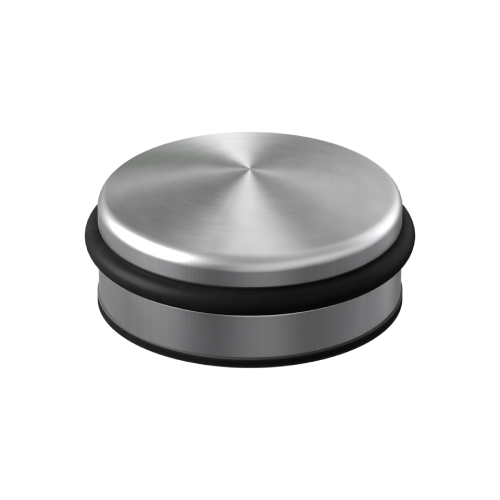
PRODUCT KNOWLEDGE - January 06, 2026
Guide to Choose the Right Door Stopper
Discover expert insights on choosing durable, secure door stoppers—zinc alloy options, bedroom safety, and top manufacturer considerations. - Filta