
2024-03-18
Why Aluminum Is Good for Wardrobe Door Handles
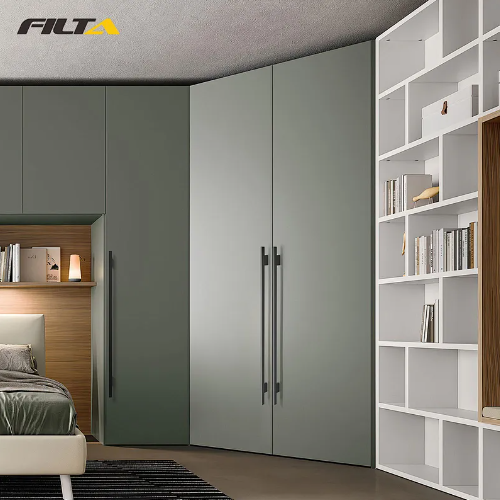
Have you ever thought about the material of your long wardrobe handles? Door handles serve as essential components in both commercial and residential spaces. However, not everyone recognizes their significance and function. This is why many opt for decorative door handles that capture the attention of passersby, ensuring they are noticed by all.
Nevertheless, the material chosen for each handle can significantly impact aesthetics, durability, and sustainability. Optimal choices can enhance the overall appearance and functionality, while poor choices can detract from the space's appeal. Aluminum alloy is often used. Given that door handles are interacted with repeatedly every day, it's crucial for designers to make the right selection.
Here are some common materials used for door handles:
Brass: Renowned for its durability, resistance to corrosion, and appealing aesthetics, brass is a popular choice for door handles. It can be polished to a lustrous shine or adorned with different finishes like antique or satin. The weight of brass lends a sense of quality to any hardware piece.
For individuals seeking to preserve the original golden hue of brass door handles, it is advisable to opt for polished surfaces. However, brass may not be suitable for doors subject to frequent use or exposed to environmental conditions.
Stainless Steel: Another prevalent material for door handles, stainless steel offers exceptional durability, rust resistance, corrosion resistance, hard wearing, and ease of maintenance. Available in brushed, polished, or satin finishes, stainless steel handles cater to diverse design preferences.
Known for its low maintenance and blemish resistant characteristics from the start, stainless steel has increasingly found application in environments demanding sustained use and minimal upkeep. When utilized for door handles, stainless steel emerges as an optimal choice for heavily trafficked doors, especially those in public establishments such as government buildings, hospitals, motorway service areas, parks, sports facilities, and other high traffic locations expected to endure prolonged usage.
Zinc Alloy: Zinc alloy handles provide a cost effective alternative and can mimic the appearance of pricier materials such as brass or bronze. Lightweight and corrosion resistant, they can be coated with various finishes like chrome or nickel.
Aluminum: Widely used in commercial or contemporary settings, aluminum handles boast lightweight properties, corrosion resistance, and versatility in anodized finishes.
Renowned for its utilization in the automotive, aeronautical, and aerospace sectors owing to its exceptional properties, aluminum also finds application in door handles. Beyond its attributes of lightweight, strength, and durability, aluminum is favored for its environmentally friendly life cycle. Although the initial extraction of aluminum demands considerable energy, the material can be recycled indefinitely without degradation, resulting in substantial energy savings that outweigh the initial extraction costs multiple times over.
Bronze: Coveted for its timeless elegance, bronze handles exude sophistication and durability. Resistant to corrosion, they acquire a distinctive patina over time, adding to their charm, albeit at a potentially higher price point.
As antibiotic resistant germs become more prevalent, maintaining surface hygiene, especially with frequently touched bronze door handles, can be a concern. Nevertheless, bronze crafted from copper alloys possesses bactericidal properties that effectively address this issue. Critical studies conducted in the U.S. and Britain have shown that bacteria on copper alloy surfaces are nearly completely eliminated, with a reduction of up to 99.9% within two hours at the latest.
Plastic or PVC: Door handles made from plastic or PVC materials are occasionally utilized in budget friendly or temporary applications. However, they may not offer the same level of durability or visual appeal as metal handles.

Aluminium and Stainless Steel: Which to Choose
Aluminium and stainless steel both are widely used, althought they may look pretty similar, they have some fundamental differences.
Strength
PRODUCT KNOWLEDGE - March 10, 2026
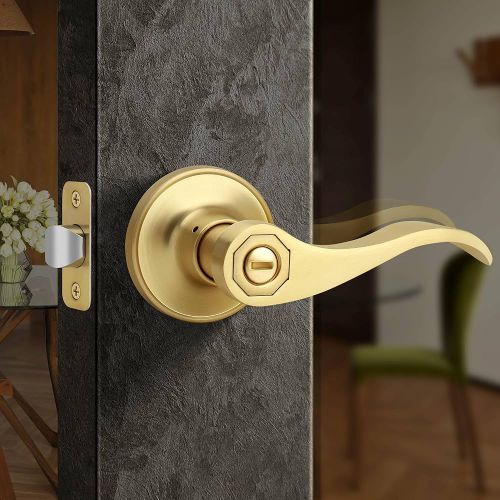
Difference Between Passage and Privacy Lockset
Learn the difference between passage and privacy locksets. Discover how bathroom privacy lock handles improve interior door functionality.
March 05, 2026
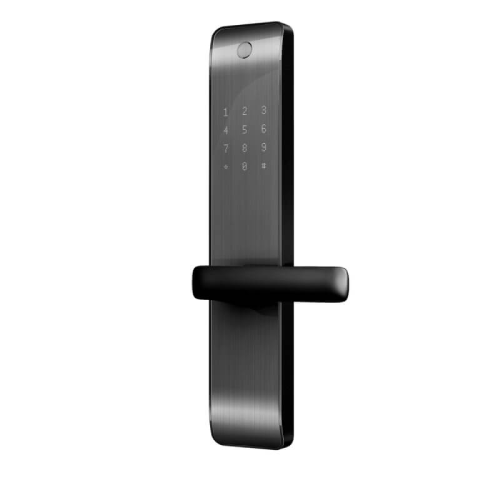
Modern Keyless House Door Lock for Secure Residential Access
Learn about smart door entry system security protocols, digital door entry systems selection criteria, and installation compatibility factors.

PRODUCT KNOWLEDGE - February 28, 2026
Why Modern Electronic Keypad Door Lock Technology Matters to Businesses
Explore modern electronic keypad door lock solutions for commercial use, covering security standards, smart integration, and OEM supply insights for global buyers.