

2024-08-29
Ways To Install Wall Hooks
Are you running out of storage space at home, or maybe tired of finding coats and towels scattered on the floor? Wall hooks, or metal towel hangers are a simple solution to help you keep your space neat and organized. Plus, they come in a variety of styles to match any decor! Dive into this guide to learn how to install wall hooks and make the most of your home's storage potential.

Step 1: Check For Safety
The first step is to identify the type of wall you are drilling into. If you're dealing with brick or masonry, you'll need a special masonry drill bit. For drywall, a regular drill bit will usually suffice.
When drilling into drywall, it's advisable to find the stud in the wall to ensure a more secure hold for your wall hook. Additionally, you should be cautious of any wires or pipes that might be hidden within the wall. Tools like current detectors or metal detectors can help you avoid these hazards.
To locate the stud, you can use a stud finder or simply tap the wall lightly. A hollow sound indicates you've missed the stud.
Drilling into the stud will provide a more secure hold for your l shape hooks, but if you prefer to avoid drilling into the structural parts of your wall, you can opt to drill in areas without studs.
Step 2: Measure And Plan
Use a measuring tape or level to measure the area where you plan to hang your decorative wall hooks. If you're installing multiple hooks, make sure to space them evenly.
Next, use the level or tape measure again to confirm that the hooks are aligned at the same height. Once you've determined the exact placement, mark the spots on the wall with a pencil or painters' tape to guide your drilling.
Step 3: Pre-Drill And Add Plugs
If you're drilling into masonry, you'll need a masonry drill bit with your electric drill to create pre-drilled holes for your wall plugs. For drywall or studs, a regular drill bit will suffice.
Make sure the hole you drill is deep and wide enough for the wall plug. Once the hole is ready, gently push the plug into the wall.
If the hole is properly sized, you might only need a light tap with a hammer to fully insert the plug. If it's not going in easily, double check that the hole is large enough. The wall plug ensures a secure fit, making it easier to install the hooks, which is the next step!
Step 4: Install The Hook
If you're installing a hook with a hole for the screw, such as one of our J-hooks, start by placing the screw through the hole and aligning it with the wall plug.
You should then be able to easily drill the screw most of the way in, securing the hook to the wall. Before fully tightening the screw, ensure that the hook is level or straight, then finish drilling to secure it completely.
For hooks without a hole, like our hardwood wall hooks that hang from the screw, drill the screw in most of the way, but leave it slightly protruding to allow the hook to hang securely.
Step 5: Screw Covers And Hook Adjustment
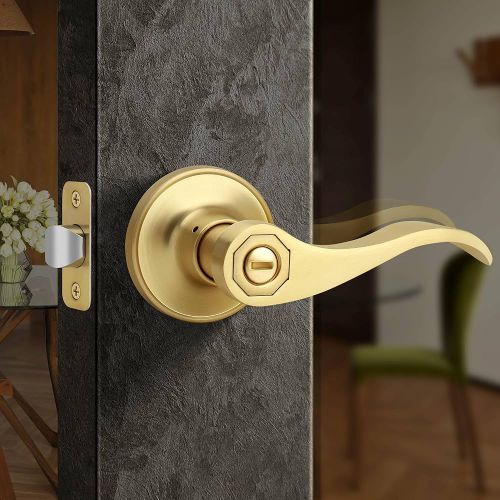
PRODUCT KNOWLEDGE - March 10, 2026
Difference Between Passage and Privacy Lockset
Learn the difference between passage and privacy locksets. Discover how bathroom privacy lock handles improve interior door functionality.
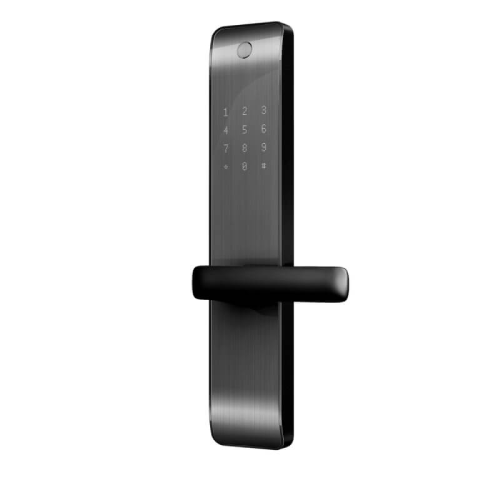
March 05, 2026
Modern Keyless House Door Lock for Secure Residential Access
Learn about smart door entry system security protocols, digital door entry systems selection criteria, and installation compatibility factors.
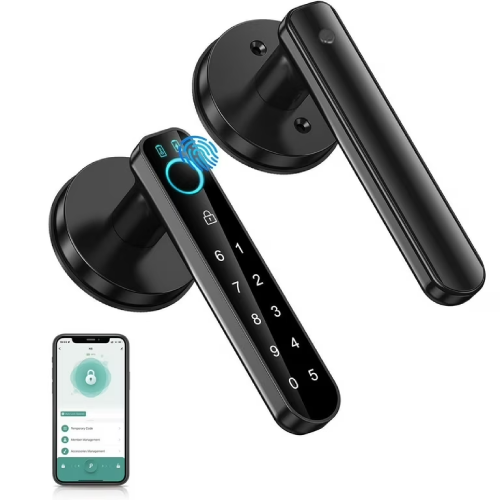
PRODUCT KNOWLEDGE - February 28, 2026
Why Modern Electronic Keypad Door Lock Technology Matters to Businesses
Explore modern electronic keypad door lock solutions for commercial use, covering security standards, smart integration, and OEM supply insights for global buyers.