
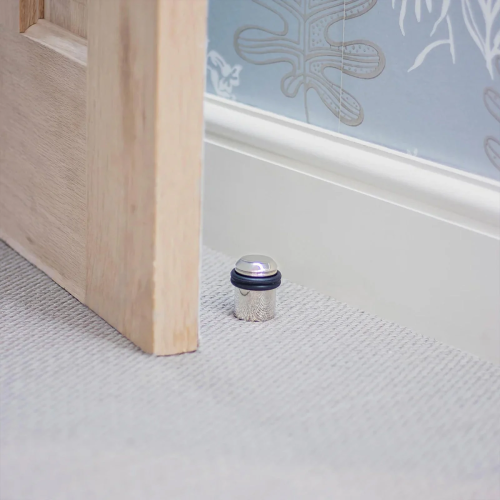
2025-12-30
What Can I Use To Stop A Door From Slamming?
Doors slamming shut can be more than just a nuisance—it's a persistent source of noise pollution, potential property damage, and even safety hazards in homes and commercial spaces alike. Whether it's a gust of wind catching a patio door, a child racing through the hallway, or simply the natural swing of a poorly balanced interior door, the problem is universal and demands thoughtful solutions.
Why Do Doors Slam? Understanding the Physics and Practical Causes
Before diving into solutions, it's essential to understand the root causes of door slamming. At its core, a door slams when it closes with excessive speed and force, often due to air pressure differentials, mechanical imbalances, or external forces like wind. In tightly sealed modern buildings, opening one door can create a vacuum effect that pulls another door shut violently. Similarly, doors on hinges that are misaligned or poorly lubricated may swing unevenly, accelerating as they near the frame.
In kitchens and bathrooms—rooms frequently subject to temperature and humidity shifts—the issue is compounded. Cabinet doors, pantry entries, and even exterior service doors are vulnerable to sudden closures. Pet owners, families with toddlers, and individuals with mobility challenges are especially sensitive to this problem, as unexpected door movements can cause injury or disrupt daily routines.
Understanding these dynamics informs not just how we stop doors from slamming, but where and when different interventions are most effective. A one-size-fits-all approach rarely works—context matters.
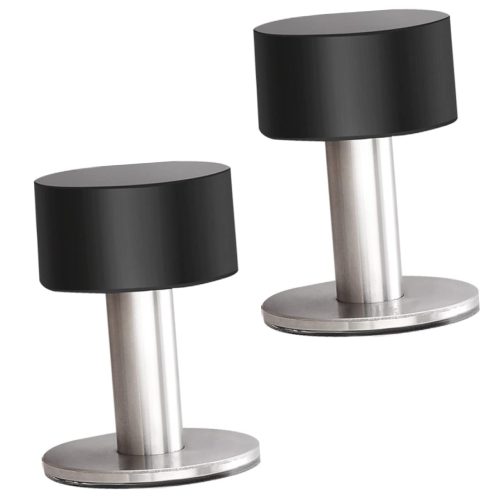
Door Stop Solutions: From Basic Wedges to Advanced Hardware Systems
The market offers a surprisingly diverse array of door stop solutions, each suited to different environments and user needs. Let's break them down by category, with attention to functionality, durability, and installation complexity.
1. Floor Mounted Door Stops (Including Kitchen Door Stoppers)
Often the most robust option, floor-mounted stops are ideal for high-traffic areas like kitchens, where doors may swing freely due to frequent use. These typically consist of a base screwed into the floor and a protruding arm or dome that catches the door at a preset angle. Materials range from rubber and plastic to high-grade metals like zinc alloy—a choice that balances corrosion resistance, weight, and aesthetic appeal. For kitchen applications, where spills, steam, and cleaning chemicals are common, a non-porous, easy-to-clean surface is essential. This is where quality zinc alloy constructions, such as those designed for OEM durability, stand out—not for branding, but for their engineering integrity.
2. Wall or Baseboard Mounted Stops
These prevent doors from contacting the wall by absorbing impact at the leading edge. They're less intrusive visually and work well in bedrooms or offices. However, they don't halt motion mid-swing—they only cushion the final impact. For preventing slamming before contact, they're insufficient on their own.
3. Magnetic and Spring Loaded Holders
Magnetic door stops use a small magnet embedded in the door and a corresponding plate on the wall or floor to hold the door open. While sleek and silent, they lack holding power in windy conditions or with heavy doors. Spring-loaded versions offer more resistance but can wear out over time and may interfere with smooth door operation if not calibrated correctly.
4. Door Closers with Adjustable Dampening
In commercial and high-end residential settings, hydraulic or pneumatic door closers are often installed. These devices control the closing speed through fluid resistance, effectively eliminating slamming by design. However, they're expensive, require professional installation, and are overkill for most interior residential doors.
5. Temporary or Decorative Options
Rubber doorstops, fabric wedges, and novelty-shaped stops are widely available and inexpensive. While charming and easy to deploy, they're easily misplaced, degrade quickly, and offer no security against forceful wind or momentum. They're best viewed as short term fixes rather than permanent solutions.
Given this landscape, the most balanced approach for most households combines a reliable, fixed stopper—particularly in functional zones like kitchens—with supplementary cushioning where needed.
The Role of Material and Design in Long Term Performance
Not all door stops are created equal. A critical yet often overlooked factor is material composition. Plastic stoppers may crack under UV exposure or repeated stress. Rubber can harden, discolor, or leave marks on flooring. In contrast, zinc alloy—a material increasingly favored in industrial and OEM grade hardware—offers superior tensile strength, resistance to oxidation, and dimensional stability across temperature ranges.
Take, for instance, a kitchen door stopper subjected to daily use, moisture, and accidental kicks. A well-cast zinc alloy stopper with a smooth finish and precise threading (for secure floor mounting) will outperform cheaper alternatives over years, not months. Moreover, its weight provides inherent stability, reducing the likelihood of displacement—a common failure point in lighter models.
Design considerations also extend to ergonomics and safety. Rounded edges prevent tripping hazards, while low-profile bases avoid interference with foot traffic or vacuum cleaners. In homes with pets or small children, silent operation (i.e., no loud “clack” on contact) is another subtle but valuable feature. Quality manufacturers—whether branded or OEM—prioritize these details not as marketing gimmicks, but as fundamental aspects of user-centered engineering.
PRODUCT KNOWLEDGE - March 10, 2026
Difference Between Passage and Privacy Lockset
Learn the difference between passage and privacy locksets. Discover how bathroom privacy lock handles improve interior door functionality.
March 05, 2026
Modern Keyless House Door Lock for Secure Residential Access
Learn about smart door entry system security protocols, digital door entry systems selection criteria, and installation compatibility factors.
PRODUCT KNOWLEDGE - February 28, 2026
Why Modern Electronic Keypad Door Lock Technology Matters to Businesses
Explore modern electronic keypad door lock solutions for commercial use, covering security standards, smart integration, and OEM supply insights for global buyers.