The Difference Between Glass And Crystal Door Knobs
When comparing glass door knobs with crystal door knobs, we should analyze from material composition to appearance.
Chapter 1: What Is the Basic Difference Between Glass and Crystal Door Knobs?
Understanding the Material Structure
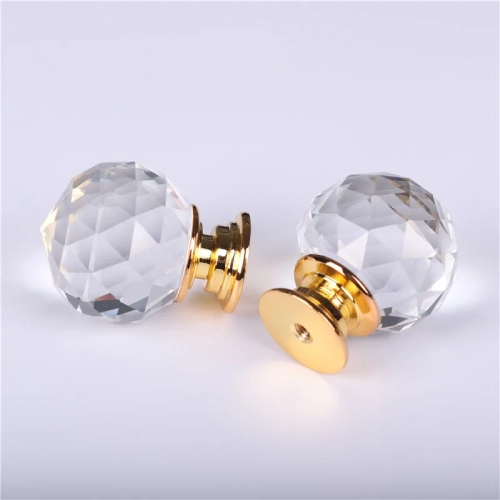
Glass is a non crystalline, transparent material made from silica, soda ash, and limestone. Crystal, however, usually contains lead oxide or other minerals that create higher clarity, brilliant refraction, and stronger durability. This is why crystal glass knobs, round crystal knobs, and other crystal hardware tend to have more sparkle when exposed to light.
Clarity and Light Refraction Explained
Crystal refracts light because its density allows light to bend more intensely inside the material. The result is a rainbow-like shine that glass cannot replicate. Round glass knobs are still attractive, but they usually have a softer glow instead of intense brilliance. If a room needs a luxurious highlight or a dramatic glimmer, crystal knobs can instantly deliver that visual impact.
Weight and Durability
Crystal tends to be heavier and more solid than standard glass. Although both materials can last for decades with good care, crystal knobs are generally known for being more scratch-resistant and stable when installed on frequently used doors or cabinets.
Understanding Glass Knob Hardware Differences
The hardware compatibility is another subtle yet important distinction. Glass knob hardware is often designed for lightweight structures like interior doors, cabinets, or dressers. Crystal hardware is usually engineered for extra stability, making it ideal for high-touch environments such as entry doors, master bedroom doors, or heavy drawers.
How Filta Enhances Material Selection?
Filta, a professional manufacturer known for precision-crafted door hardware and decorative knobs, provides both glass and crystal models. Their craftsmanship ensures that whether you choose a simple round glass design or an elegant crystal-cut knob, the fit and performance remain premium. Filta's crystal styles—especially their diamond-cut round knobs—are known for clarity, sparkle, and long lasting firmness.

Chapter 2: Why Do Glass and Crystal Door Knobs Perform Differently in Real Use?
Touch and Tactile Experience
Crystal knobs feel smoother because of the refined polishing involved in their production. The edges are more precise, and the surfaces rarely have the tiny waves or micro-bubbles that sometimes appear in glass. Users often describe crystal as having a cooler, denser feel.
Visual Effects in Interior Design
Light is one of the biggest factors influencing how each material performs in a room.
Glass door knobs provide a clean, modest, and subtle aesthetic.
Crystal knobs, especially round crystal knobs, cast sparkles and reflections that instantly add luxury to any environment.
Designers often use crystal knobs to elevate traditional décor, vintage rooms, or elegant bedrooms. Meanwhile, round glass knobs suit minimalist, modern, and Scandinavian interiors where understated beauty is key.
Durability in Daily Use
For bedrooms or low-traffic rooms, glass knobs function perfectly. For spaces like living rooms, main entrances, or kitchens, crystal knobs may offer better resistance against daily impacts and scratches. Filta reinforces many of its crystal knob models with solid metal bases, ensuring long-term stability even under heavy use.
Practical Maintenance and Cleaning
Glass knobs are easy to clean with basic warm water and mild soap. Crystal knobs may require slightly gentler care to maintain clarity, especially if they contain lead oxide. However, both materials resist staining, fingerprints, and fading when properly maintained.
Hardware Strength and Screw Compatibility
Filta's engineering standards focus heavily on hardware durability. Their glass knob hardware typically uses strengthened bases and screws that prevent wobbling. Whether selecting round glass knobs or thicker crystal styles, Filta ensures universal compatibility with most standard cabinet and door thicknesses, making installation smooth and secure.
Chapter 3: How Should You Choose Between Glass and Crystal Door Knobs for Your Home?
Evaluate Your Interior Style First
Choosing between glass and crystal often depends on the overall aesthetic:
Use glass knobs for clean modern lines.
Use crystal glass knobs when aiming for luxury or dramatic lighting accents.
Filta offers both categories—whether you need simple transparent knobs or their signature diamond-pattern crystal knobs.
Consider Lighting Conditions
Rooms with natural light will enhance the sparkle of crystal knobs dramatically. If your space is dim or uses soft lighting, round glass knobs may complement the environment better with their uniform glow.
Match with Existing Hardware and Furniture
The metal base finish is just as important as the knob material. Filta offers chrome, nickel, brass, black, and other finishes to help you match hinges, handles, or drawer slides throughout the room.
Traffic Level and Usage Frequency