
2025-01-27
How To Stop A Door From Slamming?
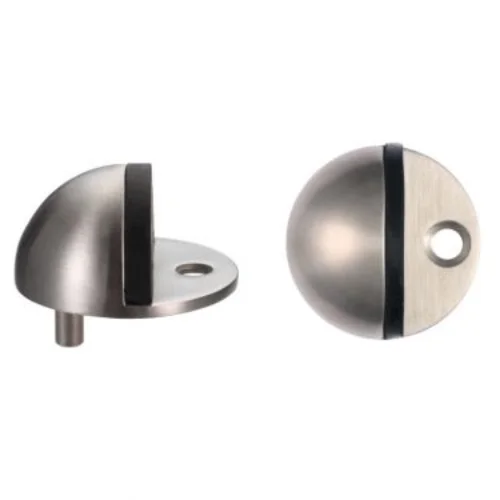
How do you silence a banging door? An effective solution is install a floor half moon stopper for wall. It can be incredibly annoying and even alarming when a door suddenly slams shut. Whether it's caused by a draft or improper door alignment, slamming doors are not just a nuisance but can also lead to damage over time. Thankfully, there are several effective methods to prevent this from happening.
Reasons Why Doors Slam
1. Irregular Shaped Door
One common cause of door slamming is an irregular shaped door that does not hang perfectly in line with the door frame. When a door is misaligned, it may not close smoothly, leading to sudden and forceful slamming. This issue is often more pronounced with heavier, solid doors.
To resolve this, you may need to rehang the door or, in severe cases, replace it entirely with one that fits the frame correctly. Proper alignment ensures that the door closes gently and without unnecessary force. When necessary, we can use a floor half moon stopper for wall.
2. Airflow
Another significant cause of slamming doors is airflow within the home. When windows or doors are open in different areas of the house, it creates a disparity in air pressure. High pressure air moves quickly toward areas of lower pressure, causing a draft. This draft can push a door closed with unexpected force, resulting in loud slams.
Another significant cause of slamming doors is airflow within the home. When windows or doors are open in different areas of the house, it creates a disparity in air pressure. High pressure air moves quickly toward areas of lower pressure, causing a draft. This draft can push a door closed with unexpected force, resulting in loud slams.
The solution to this problem involves managing airflow by closing windows or doors in other parts of the building. Alternatively, you can use door accessories like stoppers or closers to minimize the impact of drafts. When necessary, we can use a floor half moon stopper for wall.
3. Loose Door Latches
Another less obvious reason for door slamming is loose or malfunctioning door latches. If the latch doesn’t properly catch when the door is closed, even a slight movement can cause the door to swing and slam shut.
Worn Out Mechanisms: Over time, latches can wear out, reducing their effectiveness.
Another less obvious reason for door slamming is loose or malfunctioning door latches. If the latch doesn’t properly catch when the door is closed, even a slight movement can cause the door to swing and slam shut.
Worn Out Mechanisms: Over time, latches can wear out, reducing their effectiveness.
Misaligned Strike Plate: If the strike plate is not correctly aligned with the latch, the door may not stay securely closed, leading to slamming.
In such cases, tightening the latch or realigning the strike plate can help. When necessary, we can use a floor half moon stopper for wall.
In such cases, tightening the latch or realigning the strike plate can help. When necessary, we can use a floor half moon stopper for wall.
4. Heavy Doors & Gravity
The sheer weight of some doors can also contribute to slamming. Heavy doors are more susceptible to gravity pulling them closed if they’re not properly balanced or if the hinges are worn out.
Unbalanced Doors: If a door leans slightly due to unbalanced hinges, it may close with more force than intended.
Force of Closure: Heavy doors naturally generate more momentum when closing, resulting in a louder slam.
Adding door stoppers or adjusting the hinges can help to counteract these effects. When necessary, we can use a floor half moon stopper for wall.
The sheer weight of some doors can also contribute to slamming. Heavy doors are more susceptible to gravity pulling them closed if they’re not properly balanced or if the hinges are worn out.
Unbalanced Doors: If a door leans slightly due to unbalanced hinges, it may close with more force than intended.
Force of Closure: Heavy doors naturally generate more momentum when closing, resulting in a louder slam.
Adding door stoppers or adjusting the hinges can help to counteract these effects. When necessary, we can use a floor half moon stopper for wall.
Solutions to Prevent Doors from Slamming
1. Use an Overhead Pneumatic Door Closer
An overhead pneumatic door closer is a highly effective solution for preventing slamming doors. These devices use air pressure to gently close the door at a controlled speed, ensuring it does not slam shut. They are commonly used in commercial buildings but can be installed in residential settings as well.
Installation Tip: Ensure the closer is securely mounted to the top of the door and adjusted according to the manufacturer's instructions. Test the closing speed and make adjustments as needed.
2. Install a Half Moon Stopper
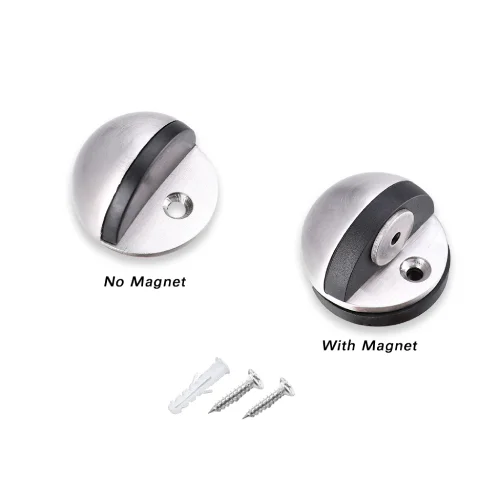
A half moon stopper is a simple yet effective tool to prevent door slamming. This device is typically installed on the floor near the door, and it works by stopping the door from swinging too far or too forcefully.
Benefits: Half moon stoppers are durable, easy to install, and can be used with various door types.
Installation Tip: Position the stopper in a spot where it effectively halts the door's movement without obstructing foot traffic.
A half moon stopper is a simple yet effective tool to prevent door slamming. This device is typically installed on the floor near the door, and it works by stopping the door from swinging too far or too forcefully.
Benefits: Half moon stoppers are durable, easy to install, and can be used with various door types.
Installation Tip: Position the stopper in a spot where it effectively halts the door's movement without obstructing foot traffic.
3. Use a Floor Door Bumper
Floor door bumpers are another excellent option for stopping doors from slamming. These bumpers act as a cushion between the door and the floor, absorbing the impact and preventing noise.
Types: Choose from rubber, metal, or a combination of materials to suit your aesthetic preferences.
Installation Tip: Secure the bumper to the floor using screws or adhesive, ensuring it is aligned with the door's path.
Floor door bumpers are another excellent option for stopping doors from slamming. These bumpers act as a cushion between the door and the floor, absorbing the impact and preventing noise.
Types: Choose from rubber, metal, or a combination of materials to suit your aesthetic preferences.
Installation Tip: Secure the bumper to the floor using screws or adhesive, ensuring it is aligned with the door's path.
4. Install a Round Floor Door Stop
A round floor door stop is a versatile and stylish option for preventing slamming. These door stops are mounted directly onto the floor and can be used with both lightweight and heavy doors.
Features: Many round stops are designed with rubber padding to reduce noise and protect the door from damage.
Installation Tip: Place the stop at an appropriate distance from the wall to prevent the door from hitting it.
A round floor door stop is a versatile and stylish option for preventing slamming. These door stops are mounted directly onto the floor and can be used with both lightweight and heavy doors.
Features: Many round stops are designed with rubber padding to reduce noise and protect the door from damage.
Installation Tip: Place the stop at an appropriate distance from the wall to prevent the door from hitting it.
5. Use a Circle Door Stopper for Wall
A circle door stopper for the wall is ideal for preventing the door handle from damaging the wall while also stopping the door from slamming. These stoppers are typically made from rubber or silicone and are mounted directly onto the wall.
Benefits: Protects both the door and wall while reducing noise.
Installation Tip: Position the stopper at the correct height to align with the door handle.
A circle door stopper for the wall is ideal for preventing the door handle from damaging the wall while also stopping the door from slamming. These stoppers are typically made from rubber or silicone and are mounted directly onto the wall.
Benefits: Protects both the door and wall while reducing noise.
Installation Tip: Position the stopper at the correct height to align with the door handle.
6. Manage Airflow
Since airflow is a significant contributor to slamming doors, managing it effectively can help prevent the problem. Here are some tips:
Close Windows and Doors: Minimize drafts by keeping windows and doors closed in unoccupied rooms.
Use Draft Stoppers: Place draft stoppers at the base of doors to block air currents.
Install Vent Covers: Regulate airflow by using vent covers in rooms prone to drafts.
Since airflow is a significant contributor to slamming doors, managing it effectively can help prevent the problem. Here are some tips:
Close Windows and Doors: Minimize drafts by keeping windows and doors closed in unoccupied rooms.
Use Draft Stoppers: Place draft stoppers at the base of doors to block air currents.
Install Vent Covers: Regulate airflow by using vent covers in rooms prone to drafts.
7. Apply Felt Pads or Rubber Strips
Felt pads and rubber strips can be attached to the edges of the door to soften the impact when it closes. These are cost effective solutions that work well for lightweight doors.
Felt pads and rubber strips can be attached to the edges of the door to soften the impact when it closes. These are cost effective solutions that work well for lightweight doors.
PRODUCT KNOWLEDGE - March 10, 2026
Difference Between Passage and Privacy Lockset
Learn the difference between passage and privacy locksets. Discover how bathroom privacy lock handles improve interior door functionality.
March 05, 2026
Modern Keyless House Door Lock for Secure Residential Access
Learn about smart door entry system security protocols, digital door entry systems selection criteria, and installation compatibility factors.

PRODUCT KNOWLEDGE - February 28, 2026
Why Modern Electronic Keypad Door Lock Technology Matters to Businesses
Explore modern electronic keypad door lock solutions for commercial use, covering security standards, smart integration, and OEM supply insights for global buyers.