
2026-01-12
How to Choose the Best Door Stopper?
At first glance, a door stopper may appear to be one of the most minor pieces of hardware in a building. In reality, it plays a quiet but essential role in protecting walls, extending door life, reducing noise, and improving everyday comfort. The question “What is the best door stopper?” does not have a single universal answer. The best solution depends on door weight, usage frequency, installation environment, materials, and long-term durability requirements.
Chapter 1: What Makes a Door Stopper Effective?
Why Door Stoppers Matter More Than Most People Think
A door stopper is designed to control motion. When a door swings freely, it transfers kinetic energy directly into walls, furniture, handles, hinges, or people. Over time, this leads to chipped paint, cracked plaster, loose hinges, and even structural damage in high-traffic environments.
An effective door stopper serves three core purposes:
Absorbing or redirecting impact energy
Preventing uncontrolled door movement
Protecting surrounding surfaces and hardware
When evaluating door stops for sale, the real differentiator is not appearance, but how efficiently the stopper manages force over thousands of door cycles.
Common Door Stopper Mechanisms Explained in Practical Terms
Wedge Door Stops
Wedge style stoppers rely on friction between the floor and the bottom edge of the door. Their performance depends on material grip, wedge angle, and floor type. They are widely used for indoor door stops because of their simplicity, portability, and low cost. However, they are less reliable for heavy doors or smooth flooring.
Spring Door Stops
Spring stoppers compress when struck, dissipating energy gradually rather than abruptly. This makes them effective protective door stoppers for doors that open frequently. Their flexibility helps prevent dents, but long-term fatigue can reduce effectiveness if the spring quality is low.
Magnetic Door Stops
Magnetic designs hold doors in an open position rather than merely stopping impact. They are often chosen for modern interiors where clean aesthetics and quiet operation are important. The key performance factor is magnetic strength balanced with ease of release.
Wall Mounted and Floor Mounted Stops
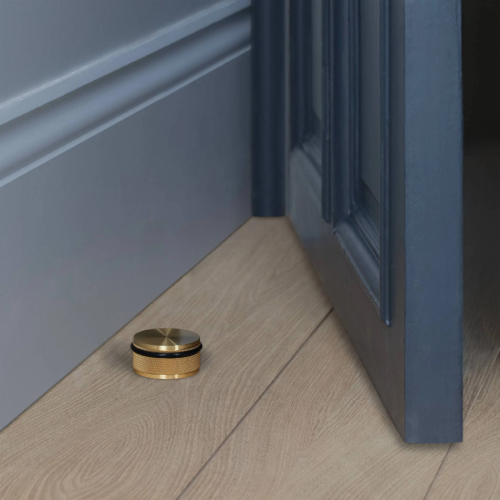
Fixed stops create a physical barrier that prevents doors from opening beyond a specific point. Floor-mounted stops are mechanically stable and suitable for heavy doors, while wall-mounted stops protect walls directly at the point of contact.
Each mechanism addresses a different user priority: mobility, durability, silence, or impact resistance.
Why Material Choice Defines Long Term Performance
Material quality is where many door stoppers fail or succeed over time.
Rubber and Elastomers offer shock absorption and surface protection but can harden, crack, or lose grip with age.
Plastic is lightweight and inexpensive but often unsuitable for repeated impact.
Metal Alloys such as zinc alloy or stainless steel provide structural integrity, resistance to deformation, and long service life.
High quality zinc alloy door stoppers, such as those produced by Filta, are designed to combine mechanical strength with refined finishing. In practical terms, this means better resistance to bending, consistent stopping force, and suitability for both residential and commercial environments without constant replacement.

Chapter 2: How to Choose the Best Door Stopper for Indoor Use and Daily Protection
What Users Actually Look for When Buying Indoor Door Stops
Search behavior around “indoor door stops” shows that most users are concerned with three things:
Preventing wall damage
Reducing noise
Ensuring ease of use without complicated installation
A door stopper that performs well in all three areas is generally perceived as “the best,” regardless of price.
Choosing Door Stoppers for Light vs. Heavy Doors
Light Interior Doors
Bedrooms, closets, and home offices often benefit from wedge or spring-type stoppers. These doors require minimal force control and prioritize quiet operation.
Heavy or Solid Core Doors
For heavier doors, wedge stoppers can slip or compress. Floor-mounted or magnetic stoppers with metal housings offer more reliable control. The stopping force must be absorbed by the stopper itself rather than transferred to the wall.
This is where metal-based protective door stopper designs outperform lightweight alternatives.
Matching Door Stopper Type to Floor and Wall Conditions
Different surfaces demand different solutions:
Hardwood and tile floors require non-slip bases
Carpeted floors reduce wedge effectiveness
Drywall walls benefit from cushioned contact points
A poorly matched stopper can create more damage than it prevents. Protective door stopper designs that combine metal cores with rubber contact tips are often used to balance durability with surface safety.
When Design and Aesthetics Matter
PRODUCT KNOWLEDGE - March 10, 2026
Difference Between Passage and Privacy Lockset
Learn the difference between passage and privacy locksets. Discover how bathroom privacy lock handles improve interior door functionality.
March 05, 2026
Modern Keyless House Door Lock for Secure Residential Access
Learn about smart door entry system security protocols, digital door entry systems selection criteria, and installation compatibility factors.
PRODUCT KNOWLEDGE - February 28, 2026
Why Modern Electronic Keypad Door Lock Technology Matters to Businesses
Explore modern electronic keypad door lock solutions for commercial use, covering security standards, smart integration, and OEM supply insights for global buyers.