2026-02-27
Engineering Principles Behind Secure Keyless Entry Systems
The evolution of smart code door lock systems represents a convergence of mechanical engineering precision, cryptographic security protocols, and user experience design. Global homeowners and property managers evaluating these technologies face increasingly sophisticated decisions extending far beyond basic keypad functionality.
Cryptographic Foundations – How Smart Code Door Lock Systems Protect PIN Based Authentication?
Smart code door lock security depends fundamentally on multi layered cryptographic protection rather than simple digit sequence storage.
PIN code encryption protocols distinguish enterprise-grade locks from consumer variants—AES-256 bit encryption with rolling code technology prevents replay attacks by generating unique cryptographic hashes for each entry attempt rather than storing raw digit sequences.
Anti-peep technology implementation enables users to enter random digits before and after their actual access code while the system recognizes only the valid sequence—this prevents shoulder surfing attacks in shared residential environments.
Brute force attack prevention requires intelligent lockout mechanisms—systems implementing progressive time delays after consecutive failed attempts (30 seconds after 3 failures, 5 minutes after 5 failures) effectively neutralize automated code guessing attempts.
Secure element chips provide hardware-level protection—dedicated cryptographic processors isolated from main system memory prevent extraction of encryption keys even if firmware is compromised through physical tampering.
Firmware signing protocols ensure only authorized software updates execute—digital signature verification prevents malicious code injection during over-the-air update processes that could disable security features.
Audit trail encryption maintains privacy while enabling security monitoring—access logs utilize end-to-end encryption preventing unauthorized viewing while allowing legitimate property managers to review entry history.
Power fluctuation protection circuits maintain cryptographic integrity—capacitor-backed memory preserves encryption state during brief power interruptions preventing security protocol resets that could create vulnerability windows.
Keyless smart lock systems utilizing dual authentication factors—requiring both PIN code and secondary verification method—create defense-in-depth architectures resistant to single-point compromise scenarios.
Manufacturing security practices influence field reliability—locks produced in facilities with strict access controls and component traceability systems reduce risk of pre-deployment tampering or counterfeit components.
Specialized manufacturers like Filta implement comprehensive cryptographic validation protocols for electronic door locks for home applications including penetration testing, side-channel attack resistance verification, and third-party security certification before market release.
Mechanical Engineering Precision – Durability Factors in Electronic Door Locks for Home Applications
Component longevity in smart code door lock systems depends on metallurgical precision and controlled manufacturing processes rather than nominal specifications alone.
Bolt mechanism material selection utilizes hardened steel alloys achieving 55-60 HRC surface hardness through precision heat treatment—this prevents forced retraction attempts while maintaining smooth operation over 100,000+ cycle lifespans under cyclic loading conditions.
Lock body construction typically employs zinc alloy die-casting with minimum 3.0mm wall thickness providing structural integrity while resisting deformation during attempted forced entry scenarios.
Surface finish processes include multi-stage electroplating with nickel-chromium layers providing minimum 48-hour salt spray resistance essential for coastal installations or high-humidity environments without corrosion degradation.
Electronic component quality directly impacts field reliability—industrial-grade PCB boards with conformal coating protect circuitry from moisture ingress and temperature fluctuations between -20°C to +60°C operational ranges.
Manufacturing tolerances maintain critical clearances—bolt alignment within ±0.1mm ensures proper door frame engagement preventing binding or excessive wear during extended operation cycles.
Motor selection influences operational characteristics—brushless DC motors provide quieter operation with 30% longer lifespan compared to brushed alternatives while delivering consistent torque for reliable bolt extension under varying door alignment conditions.
Battery compartment design influences maintenance intervals—tool-free battery replacement mechanisms reduce service downtime while sealed compartments with gasket seals prevent moisture ingress during battery changes in humid climates.
Quality control protocols include environmental stress testing—thermal cycling between extreme temperatures, humidity exposure testing at 95% RH, and vibration analysis validate component reliability before international shipment.
Electromagnetic compatibility testing prevents interference—smart code door locks must operate reliably near other electronic equipment without signal disruption or performance degradation affecting security functions.
Backset adaptability mechanisms accommodate installation variations—adjustable latch assemblies supporting both 2-3/8 inch and 2-3/4 inch backset configurations reduce installation complexity for retrofit applications in existing residential structures.
Installation Compatibility and Integration Frameworks for Keyless Smart Lock Deployment
Successful smart lock deployment requires careful evaluation of existing door infrastructure and ecosystem integration requirements.
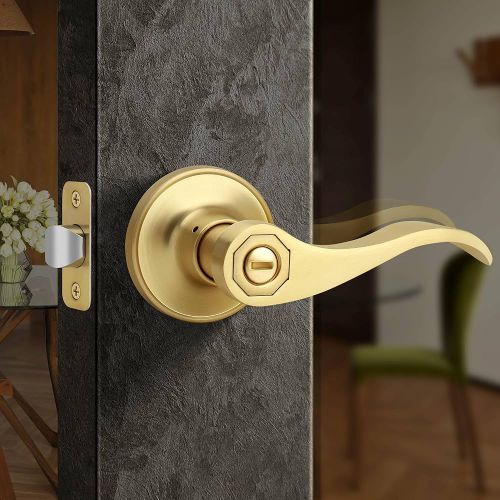
Door thickness compatibility ranges typically span 1.375 to 2.25 inches for standard residential applications—locks requiring specific thickness ranges may need door modification or custom adapter plates affecting installation complexity and cost.
Existing deadbolt compatibility influences retrofit feasibility—systems designed to work with standard ANSI/BHMA Grade 2 deadbolt preparations minimize installation time while complete replacement systems provide optimized security integration but require professional installation.
Power management architecture proves critical for reliability—primary lithium batteries with 12-month operational lifespan plus emergency USB-C backup power input prevent lockout scenarios during battery depletion without compromising security posture.
Smart home ecosystem integration capabilities prove essential—compatibility with Apple HomeKit, Google Assistant, Amazon Alexa, and Samsung SmartThings enables voice control and automation scenarios enhancing convenience without sacrificing security.
API accessibility enables property management integration—locks providing open APIs allow integration with rental management platforms, access control panels, and building automation systems for multi-tenant residential applications.
Installation tool requirements influence DIY feasibility—basic installations typically require standard screwdrivers and measuring tools while advanced configurations with integrated sensors may need specialized alignment jigs affecting labor costs.
Weather exposure considerations influence exterior suitability—exterior installations require enhanced weatherproofing with IP65 or higher ingress protection ratings ensuring reliable operation in rain, snow, and temperature extremes.
Regulatory compliance requirements vary by jurisdiction—fire code compliance mandating single-motion egress, accessibility standards for handle operation force, and building code requirements must be verified before installation in multi-family residential applications.
User capacity considerations influence property management applications—locks supporting 50+ unique user profiles with individual access schedules and temporary code generation accommodate rental property and shared housing requirements.
Firmware update mechanisms ensure long-term security—over-the-air update capabilities allow security patches and feature enhancements without physical device replacement or manual intervention maintaining protection against emerging threats.
Strategic Evaluation Frameworks for Smart Code Door Lock Procurement Decisions
Optimal selection balances initial acquisition costs against total lifecycle expenses including installation complexity, maintenance requirements, and security performance metrics.
Total cost of ownership analysis should quantify field reliability metrics—locks requiring replacement before 24-month warranty periods generate replacement costs and security vulnerabilities exceeding initial acquisition price despite lower purchase cost.
Security certification verification proves essential—UL 437, ANSI/BHMA Grade 2 or higher certification, FCC compliance, and RoHS environmental standards indicate adherence to international safety requirements required for North American and European market deployment.
Battery life specifications require realistic assessment—manufacturer claims often exceed real-world performance under frequent usage patterns—locks achieving 10+ months under typical residential usage demonstrate superior power management design.
Physical security testing validation matters significantly—locks subjected to ANSI/BHMA Grade testing protocols including 800,000+ cycle durability tests, 10+ minute forced entry resistance, and impact testing provide quantifiable security assurances versus untested alternatives.
Customer support infrastructure accessibility reduces deployment risk—suppliers providing comprehensive technical documentation, installation videos, multilingual support channels, and responsive warranty service minimize installation errors and downtime.
Warranty terms and service level agreements influence risk assessment—comprehensive coverage including electronic component failure, mechanical wear, and labor costs provides superior value versus limited warranties covering only manufacturing defects.
Scalability considerations matter for property portfolios—locks supporting centralized management across multiple units with consistent user experience enable efficient large-scale implementations for property managers and HOA communities.
Future-proofing strategies include modular design approaches—locks with upgradeable components and backward-compatible protocols extend useful life despite evolving smart home technology standards.
Privacy policy transparency matters for data-conscious consumers—manufacturers clearly disclosing data collection practices, storage locations, and third-party sharing policies enable informed purchasing decisions aligned with personal privacy preferences.
Industry specialization delivers application expertise—manufacturers focused exclusively on residential electronic door locks for home applications understand nuanced requirements versus general security hardware producers adapting commercial designs for residential use.
Frequently Asked Questions
What distinguishes premium smart code door lock systems from budget alternatives?
Premium systems feature industrial-grade AES-256 encryption with hardware security modules, hardened mechanical components rated for 100,000+ operational cycles, comprehensive ANSI/BHMA certification compliance, robust weatherproofing with IP65+ ratings, and responsive manufacturer support versus budget models focusing primarily on basic keypad functionality with minimal durability testing.
How do keyless smart lock systems prevent unauthorized PIN code observation?
Advanced implementations include anti-peep technology allowing users to enter random digits before and after their actual code while the system recognizes only the valid sequence, plus encrypted wireless transmission preventing code interception during smartphone pairing or remote programming operations.
What installation considerations determine electronic door locks for home compatibility with existing doors?
Critical measurements include door thickness (typically 1.375-2.25 inches), backset distance (2-3/8 or 2-3/4 inches), existing deadbolt hole diameter (typically 2-1/8 inches), and door material—solid core wood or metal doors provide optimal mounting stability while hollow core doors may require reinforcement plates.
How frequently should smart code door lock batteries be replaced under normal residential usage?
Primary lithium batteries typically require replacement every 10-12 months under average usage patterns of 10-15 daily cycles, with low-battery indicators providing 30-day advance warning—emergency USB-C power input enables temporary operation during battery replacement without lockout scenarios.
What backup access methods ensure entry during electronic failure in keyless smart lock systems?
Reliable systems incorporate multiple redundant access methods including mechanical key override using standard cylinders, emergency external power input via USB-C, and in some models, temporary code generation through mobile application when internet connectivity remains available.