
2026-01-23
Do Door Stoppers Actually Work?
The question “Do door stoppers actually work?” might seem trivial—until your newly painted wall gets a crescent shaped dent, a sudden draft slams a door into your knee, or you're trying to keep a hallway ventilated during a summer heatwave. Users aren't just asking whether stoppers exist—they're asking whether they deliver reliable, long term value under real world conditions.
1. The Physics of Failure: Why Most Door Stoppers Don't Hold Up to Real World Forces
To understand whether door stoppers “work,” we must first define what “work” means. Is it merely keeping a door open for five minutes? Or is it resisting repeated impacts from heavy doors, gusts of wind, or accidental kicks—day after day, for years?
The reality is that many consumer-grade stoppers fail because they ignore basic physics. A typical interior door weighs 25–40 lbs, but when it swings open with momentum—especially if aided by HVAC pressure or wind—it can exert over 50 lbs of lateral force at the point of contact with the stopper. Lightweight rubber wedges or thin plastic models simply can't generate enough friction or structural resistance to counteract this energy consistently.
Moreover, floor surfaces matter. Hardwood, tile, and polished concrete offer minimal grip, causing low-friction stoppers to skid. Carpet may provide more resistance, but it also hides wear and allows stoppers to sink unevenly over time. This is why entrance door stopper performance is especially critical: entryways often feature smooth flooring, high wind exposure, and heavier solid-core doors.
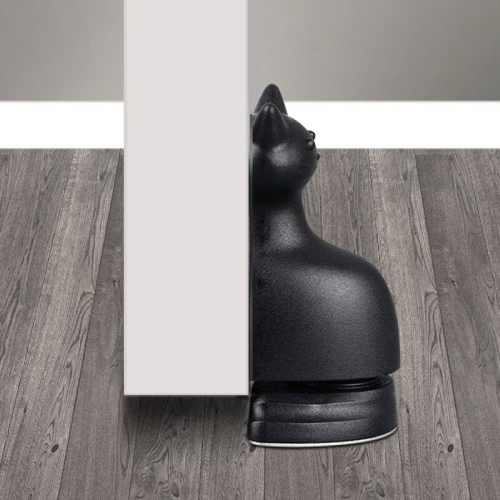
Effective stoppers must combine three attributes: mass (to resist displacement), base geometry (to maximize contact area), and material integrity (to avoid deformation). Zinc alloy—used by industrial-grade manufacturers like Filta—excels here. With a density roughly three times that of aluminum and superior rigidity compared to plastic, zinc alloy stoppers stay put even under repeated stress. Their die-cast construction also allows for engineered base patterns that enhance grip without scratching floors.
So yes, door stoppers can work—but only if engineered with physics in mind, not just aesthetics or cost.

2. Entrance vs. Interior: Why Your Entry Door Stopper Demands Higher Standards
Not all doors are created equal—and neither should their stoppers be. A common user frustration stems from using a generic stopper (often bought as part of a “door stopper for sale” bulk pack) on a front or entry door, only to watch it slide away with the first breeze.
Entry door stopper requirements are fundamentally different from those for bedroom or closet doors:
Weight: Exterior and entry doors are often solid-core or reinforced, weighing 50–100 lbs.
Wind exposure: Even slightly ajar doors can catch wind, generating torque that lightweight stoppers can't resist.
Security considerations: A stopper that dislodges easily may leave a door unintentionally open, creating vulnerabilities.
Durability: Entry areas see more foot traffic, increasing the risk of kicks, trips, or accidental displacement.
For these reasons, metal stoppers—particularly those made from corrosion-resistant zinc alloy—are strongly recommended for entrances. Unlike painted steel, which can chip and rust, or plastic, which becomes brittle in UV light, zinc alloy maintains performance in varied climates. Many commercial builders specify such stoppers for apartment lobbies, hotel corridors, and office receptions precisely because they don't require constant replacement.
Interestingly, aesthetics also matter at entrances. A brushed nickel or matte black finish—such as Filta's recommended Matt Brushed Nickel—blends seamlessly with modern door hardware while signaling quality. This isn't just about looks; consistent visual language in entryways contributes to perceived building care and professionalism.
3. Material Matters: Debunking Myths About Rubber, Plastic, and Metal Door Stoppers
When browsing “door stopper for sale” listings, shoppers are bombarded with options: silicone, rubber, wood, magnetic, adhesive, spring-loaded, and more. But which actually deliver?
Rubber and silicone stoppers excel at quiet operation and floor protection but lack mass. They're ideal for interior bedroom doors where noise and safety are priorities—but inadequate for high-force scenarios.
Plastic stoppers are inexpensive and colorful, often marketed to families. However, they suffer from poor UV resistance (yellowing outdoors), low impact strength (cracking under pressure), and minimal weight. Their lifespan in high-use areas rarely exceeds six months.
Wooden stoppers offer charm but inconsistent density. A maple wedge may hold well, but pine will dent or splinter. They're also vulnerable to humidity warping.
Metal stoppers, by contrast, solve the core problem of inertia mismatch. A 300–500g zinc alloy stopper has the heft to resist door momentum without relying solely on friction. When combined with a non-marring base (often achieved through precision casting and surface finishing), it becomes both functional and floor-friendly.
It's worth noting that not all metal stoppers are equal. Cheap cast iron may rust; thin aluminum bends. But high-purity zinc alloys—like those used in OEM production by factories with monthly capacities exceeding millions of units—offer repeatability, consistency, and resilience. For buyers sourcing in bulk for hotels or property management, this reliability translates directly into lower lifetime costs.
4. Beyond Holding Open: When a Door Stopper Becomes a Safety and Design Element
The best door stoppers don't just “work”—they integrate seamlessly into broader spatial strategies. In hospitals, they ensure fire-rated doors remain open during non-emergency ventilation while complying with egress codes. In schools, they prevent finger injuries by stopping doors from slamming shut. In open-plan offices, they maintain airflow without creating noise distractions.
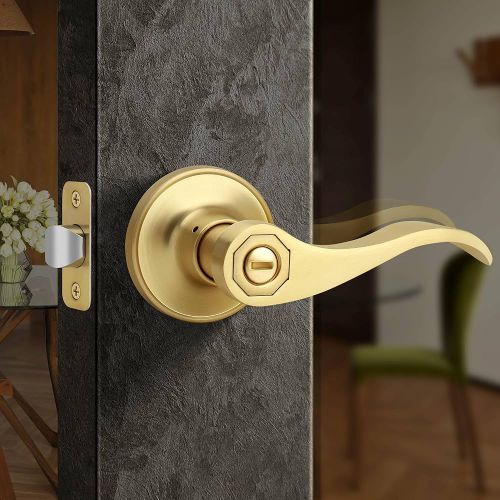
PRODUCT KNOWLEDGE - March 10, 2026
Difference Between Passage and Privacy Lockset
Learn the difference between passage and privacy locksets. Discover how bathroom privacy lock handles improve interior door functionality.
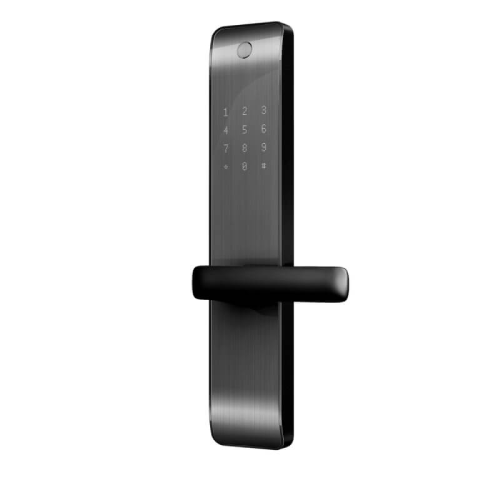
March 05, 2026
Modern Keyless House Door Lock for Secure Residential Access
Learn about smart door entry system security protocols, digital door entry systems selection criteria, and installation compatibility factors.
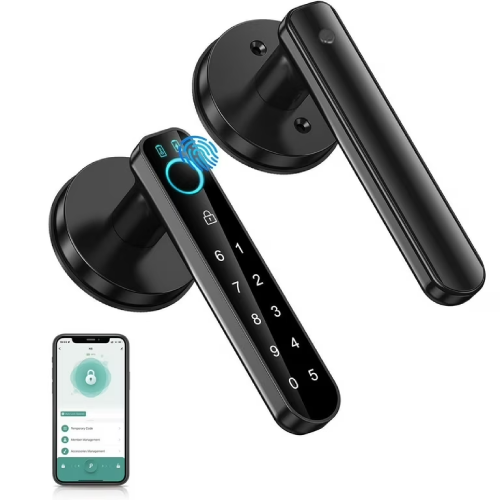
PRODUCT KNOWLEDGE - February 28, 2026
Why Modern Electronic Keypad Door Lock Technology Matters to Businesses
Explore modern electronic keypad door lock solutions for commercial use, covering security standards, smart integration, and OEM supply insights for global buyers.