Do Coat Hooks Need Studs?
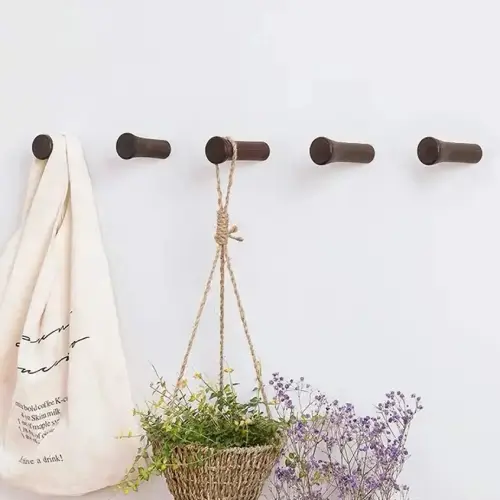
When it comes to organizing entryways, mudrooms, or even bathrooms, single coat hooks are a simple yet effective solution. These versatile fixtures allow you to hang coats, bags, towels, and more without taking up much space. However, one of the most common questions homeowners and renters ask is: do coat hooks need studs?
Understanding the Role of Studs in Mounting Single Coat Hooks
Studs are vertical wooden or metal framing members behind drywall that provide structural support to walls. When hanging heavy or frequently used items like shelves or large mirrors, anchoring into a stud is often recommended for safety and durability.
But do single coat hooks require the same level of reinforcement?
The short answer is: it depends. If you're only hanging light items like small purses or thin jackets occasionally, many single wall coat hooks can be mounted directly into drywall using appropriate anchors. However, if the hook will regularly bear heavier loads—such as winter coats, backpacks, or wet towels—it's advisable to anchor it into a stud for long term stability.
Filta offers a range of single coat hooks for wall designed for both stud and drywall installation, ensuring flexibility for different wall types while maintaining strength and durability.
Can You Install Single Wall Coat Hooks Without Finding a Stud?
Yes, but with caveats.
Modern wall anchors have made it possible to install single coat hooks securely even when no stud is available. The key lies in choosing the right type of anchor and screw combination for your wall material (drywall, plaster, concrete, etc.).
Here are some commonly used anchor types:
Plastic expansion anchors : Ideal for lightweight use
Molly bolts : Expand inside the wall for better grip
Toggle bolts : Provide strong hold for heavier loads
For example, if you're mounting a single wall coat hook in a rental apartment where drilling into studs may not be an option, using high quality toggle bolts can offer sufficient holding power—especially if the hook is made from durable materials like solid brass or stainless steel.
Still, keep in mind that over time, repeated use on non-stud-mounted hooks may lead to loosening or wall damage, especially in high-traffic areas.
How to Find a Stud Behind Your Wall
Before deciding whether to mount your single coat hook into a stud, you'll need to locate one. Here's how:
Use a stud finder : Electronic models detect changes in density behind the wall.
Knock test : Tap lightly on the wall; solid sounds usually indicate a stud.
Check standard spacing: In most homes, studs are spaced 16 or 24 inches apart starting from a corner.
Once you've found a stud, mark the spot and proceed with pre-drilling a pilot hole before inserting screws. This ensures clean installation and prevents splitting the wood behind the wall.
If you're installing multiple single wall coat hooks , try to align them with studs whenever possible to maintain consistent load distribution and appearance.
Choosing the Right Hook: Brushed Nickel Coat Hooks and More
When selecting a single coat hook , material plays a big role—not just in aesthetics, but in strength and longevity as well.
One of the most popular finishes today is brushed nickel coat hooks, known for their sleek, modern look and resistance to fingerprints and corrosion. These hooks are ideal for bathrooms, hallways, and minimalist interiors where style and function must coexist.
Other common materials include:
Brass : Durable and classic, often used in traditional settings
Stainless steel : Rust resistant and ideal for humid environments
Iron or steel : Heavy duty options suitable for commercial or outdoor use
At our company, we offer single coat hooks in brushed nickel and other premium finishes, each engineered for secure mounting and long lasting performance. Whether you're placing them in a hallway, bedroom, or office, our designs blend form and function seamlessly.
Where to Put Coat Hooks for Maximum Functionality
Knowing where to put coat hooks can greatly enhance their usefulness. Here are some strategic locations to consider:
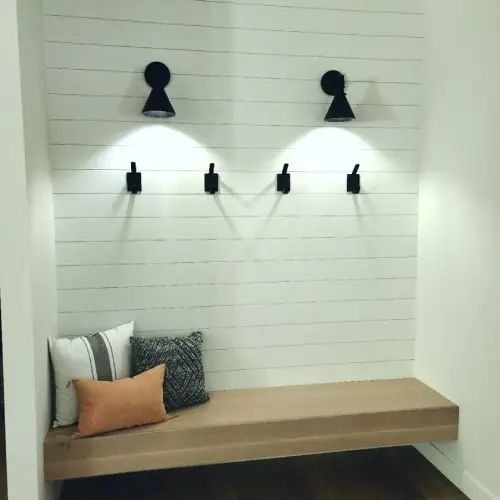
Entryway or mudroom : Install at adult and child height near doors for easy access
Bedroom : Place behind the door or on a wall near the closet
Bathroom : Use single wall coat hooks for towels, robes, or bathrobes
Kitchen or pantry : Great for aprons, oven mitts, or reusable shopping bags
Office or study : Keep keys, bags, or jackets off chairs and tables
Proper placement ensures that your single coat hooks for wall are both convenient and unobtrusive. For instance, placing a single coat hook too high may make it difficult for children to reach, while placing it too low could pose a tripping hazard.
Always measure and mark the desired height before installation, and ensure that the hook is level for a polished finish.
Best Practices for Installing Single Wall Coat Hooks
Whether you're using a stud or wall anchor, following proper installation techniques ensures your single wall coat hooks remain secure and functional for years.
Here's a quick step-by-step guide:
Choose location based on usage and accessibility