
2026-02-11
China's Keyless Smart Door Lock Manufacturing
The global security hardware market has witnessed transformative evolution as keyless smart door locks transition from luxury residential features to essential commercial infrastructure components. B2B procurement professionals evaluating Chinese suppliers face complex technical decisions extending far beyond basic functionality comparisons. This comprehensive guide examines critical evaluation criteria for keyless entry door lock manufacturers while clarifying security protocol distinctions, biometric integration complexities, and commercial-grade durability requirements—all grounded in security engineering principles rather than promotional content.
Security Architecture Fundamentals – Encryption Protocols and Access Control Mechanisms in Keyless Smart Door Locks
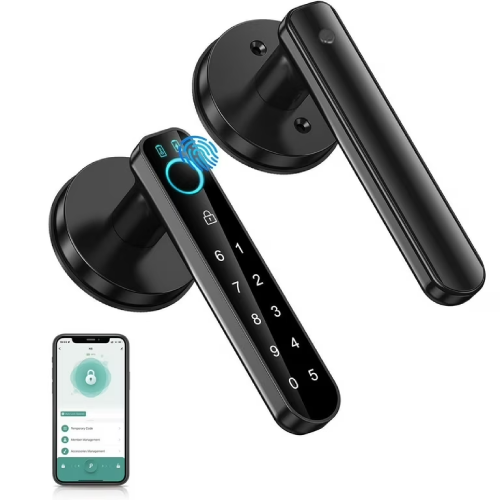
Filta's keyless smart door lock security depends fundamentally on multi-layered protection systems rather than single-point authentication methods.
Encryption protocol implementation distinguishes enterprise-grade locks from consumer variants—AES-256 bit encryption with rolling code technology prevents replay attacks by generating unique access codes for each entry attempt.
Biometric sensor accuracy requires careful evaluation—fingerprint recognition systems utilizing capacitive sensing technology achieve 99.8% verification accuracy with false acceptance rates below 0.001% when properly calibrated.
Multi-factor authentication configurations enhance security posture—combination systems requiring both PIN code and biometric verification provide defense-in-depth protection for high-security commercial environments.
Power management architecture proves critical for business continuity—dual power systems featuring primary lithium batteries with 12-month lifespan plus emergency USB-C backup power prevent lockout scenarios during battery depletion.
Wireless communication protocols vary significantly—Bluetooth Low Energy (BLE) offers optimal range and power efficiency for smartphone integration while Zigbee and Z-Wave enable smart building ecosystem compatibility.
Tamper detection mechanisms provide physical security layers—vibration sensors triggering alarm notifications and automatic lock-down procedures deter forced entry attempts on keyless entry door lock installations.
Audit trail functionality supports compliance requirements—commercial keyless entry door lock for business applications must maintain detailed access logs including timestamp, user ID, and authentication method for security incident investigation.
Fail-safe versus fail-secure operation modes require strategic selection—fail-safe configurations unlock during power failure for fire code compliance while fail-secure maintains locked status during outages for high-security areas.
Environmental durability specifications influence commercial suitability—IP65 or higher ingress protection ratings ensure reliable operation in outdoor installations or high-humidity environments.
Integration capabilities with existing security infrastructure prove essential—API compatibility with access control panels, video surveillance systems, and building management platforms enables unified security management.
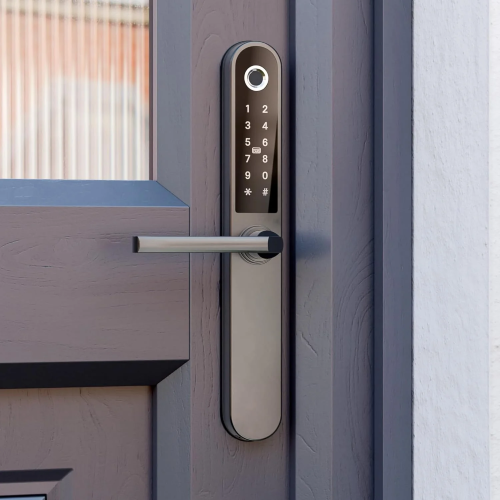
Material Science and Manufacturing Precision for Commercial Grade Keyless Entry Door Lock Durability
Component longevity in keyless smart door locks depends on metallurgical precision and controlled manufacturing processes rather than nominal specifications alone.
Lock body construction typically employs zinc alloy die-casting with minimum 3.0mm wall thickness providing structural integrity while resisting corrosion in varied environmental conditions.
Bolt mechanism material selection utilizes hardened steel with surface treatments achieving 55-60 HRC hardness—this prevents forced retraction attempts while maintaining smooth operation over 100,000+ cycle lifespans.
Surface finish processes include electroplating with nickel-chromium layers providing 48-hour salt spray resistance essential for coastal installations or high-corrosion environments.
Electronic component quality directly impacts reliability—industrial-grade PCB boards with conformal coating protect circuitry from moisture and temperature fluctuations between -20°C to +60°C operational ranges.
Battery compartment design influences maintenance intervals—tool-free battery replacement mechanisms reduce service downtime while sealed compartments prevent moisture ingress during battery changes.
Manufacturing tolerances maintain critical clearances—bolt alignment within ±0.1mm ensures proper door frame engagement preventing binding or excessive wear during extended operation.
Quality control protocols include environmental stress testing—thermal cycling between extreme temperatures, humidity exposure testing, and vibration analysis validate component reliability before shipment.
Electromagnetic compatibility testing prevents interference—keyless smart door locks must operate reliably near other electronic equipment without signal disruption or performance degradation.
Specialized manufacturers like Filta implement multi-stage quality verification for keyless entry door lock components including dimensional validation, electronic functionality testing, and environmental durability assessment before international distribution.
Traceability systems linking production batches to finished components enable root cause analysis during field failure investigations—premium suppliers maintain full manufacturing documentation throughout production cycles.
Evaluating Keyless Smart Door Lock Suppliers – Technical Capabilities Versus Commercial Promises
PRODUCT KNOWLEDGE - March 10, 2026
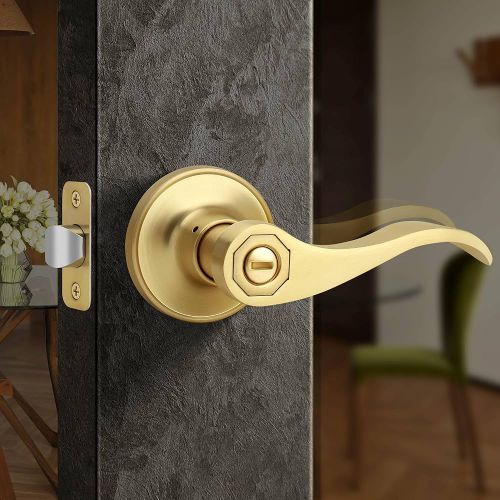
Difference Between Passage and Privacy Lockset
Learn the difference between passage and privacy locksets. Discover how bathroom privacy lock handles improve interior door functionality.
March 05, 2026
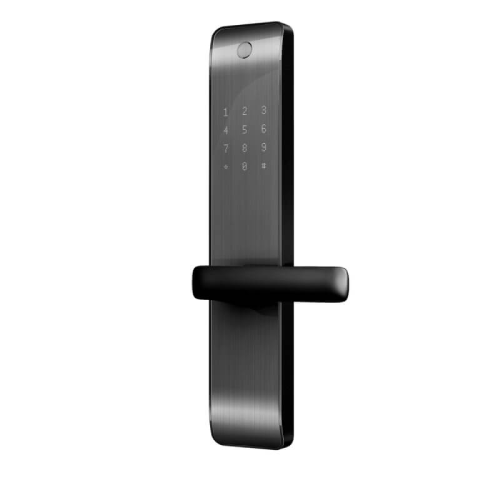
Modern Keyless House Door Lock for Secure Residential Access
Learn about smart door entry system security protocols, digital door entry systems selection criteria, and installation compatibility factors.
PRODUCT KNOWLEDGE - February 28, 2026
Why Modern Electronic Keypad Door Lock Technology Matters to Businesses
Explore modern electronic keypad door lock solutions for commercial use, covering security standards, smart integration, and OEM supply insights for global buyers.