
2025-02-25
Can You Put Self Closing Hinges On Old Cupboard?
Old cupboards hold a special charm—whether it's the weathered wood of a vintage kitchen cabinet or the nostalgic creak of a family heirloom. But charm doesn't always mean convenience. If your cupboard doors bang shut or refuse to stay closed, you might be wondering: can you put self closing hinges on old cupboards? The good news is, yes, you often can! Modern innovations like self closing cupboard hinges and anti slam cabinet hinges can breathe new life into old furniture, blending functionality with that classic aesthetic you love.
1. What Are Self Closing Hinges and Why Consider Them?
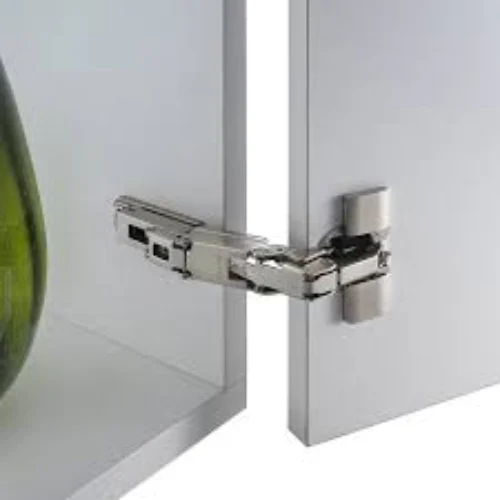
Before diving into compatibility, let's break down what self closing hinges are all about. Self closing cupboard hinges are designed to gently pull a door shut once it's within a few inches of closing—no slamming, no effort required. Unlike traditional hinges that rely on you to push the door fully closed, these hinges use a built in spring or hydraulic mechanism to do the work for you. Variations like self closing cupboard door hinges and kitchen cabinet door hinges self closing are tailored for specific uses, but the principle remains the same: convenience and control.
Then there's the bonus of anti slam cabinet hinges. These take self closing a step further by slowing the door's momentum, preventing that jarring bang that can rattle your nerves (and your cupboard's joints). For older cupboards with loose or fragile frames, this feature is a game-changer—it protects the wood while keeping your kitchen or storage space peaceful.
Why consider them for old cupboards? Beyond the obvious ease, self closing hinges add a modern touch to vintage pieces. They're perfect for busy kitchens where you're juggling pans and ingredients, or for cupboards that just won't stay shut anymore. If your old hinges are rusty, wobbly, or outdated, swapping them for self closing cupboard hinges could be both a functional fix and a subtle upgrade.
2. Are Self Closing Hinges Compatible With Old Cupboards?
The big question: will self closing cupboard door hinges work with your old cupboards? The answer depends on a few factors—namely, the cupboard's construction, the existing hinge type, and your willingness to make minor adjustments.
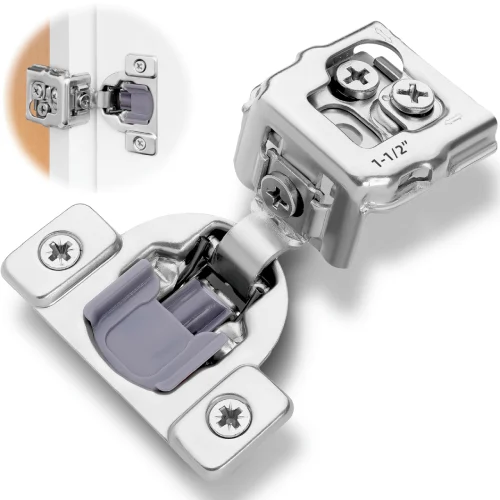
Most old cupboards use basic butt hinges, mortise hinges, or even surface-mounted hinges, many of which can be replaced with modern self closing cupboard hinges. The key is to match the hinge style and size. For example, if your cupboard has inset doors (where the door sits flush with the frame), you'll need self closing hinges designed for inset applications. Overlay doors (where the door sits over the frame) are even easier, as kitchen cabinet door hinges self closing often come in overlay styles that align with vintage designs.
Check the screw holes too. Older hinges might have a different hole pattern, but many self closing hinges are adjustable or come with mounting plates to bridge the gap. Anti slam cabinet hinges, for instance, often include versatile hardware to fit a range of setups. If your cupboard frame is solid and the door aligns well, compatibility is usually achievable with the right product.
One catch? Older cupboards with warped wood or misaligned frames might resist the smooth action of self closing hinges. The spring mechanism needs a straight path to work effectively. If your cupboard's a little wonky, you might need to shim the hinges or plane the door—a small trade off for the benefits of self closing cupboard hinges.
3. How to Install Self Closing Hinges on Old Cupboards?
Ready to give it a go? Installing self closing cupboard door hinges isn't as daunting as it sounds, even on old cupboards. Here's a step-by-step guide to get you started:
Assess and Gather Tools: Remove one of the old hinges and take it to a hardware store to find a matching self closing hinge—look for options like kitchen cabinet door hinges self closing or anti slam cabinet hinges. You'll need a screwdriver, drill (if adjusting holes), measuring tape, and possibly a chisel for recessed hinges.
Remove Old Hinges: Unscrew the existing hinges from both the door and frame. Keep the screws handy—they might work with the new hinges. Check the wood for cracks or wear; older cupboards might need a quick repair with wood filler.
Test Fit the New Hinges: Hold your self closing cupboard hinges against the door and frame. If the screw holes align, you're golden. If not, mark new hole positions. For mortise-style hinges (set into the wood), you might need to chisel a shallow recess—measure twice, cut once!
Install the Hinges: Secure the hinge to the door first, then attach it to the frame. Start with one hinge to test the fit. Self closing hinges often have adjustable tension—tweak it so the door closes smoothly without slamming (a perk of anti slam cabinet hinges).
Fine-Tune: Once all hinges are installed, open and close the door a few times. If it sticks or swings too fast, adjust the screws or tension. Older cupboards might need a little patience to get the alignment just right.
DIY not your thing? A handyman can handle it in an hour or two. Either way, the result is a cupboard that closes effortlessly—modern function meets vintage soul.
Remove Old Hinges: Unscrew the existing hinges from both the door and frame. Keep the screws handy—they might work with the new hinges. Check the wood for cracks or wear; older cupboards might need a quick repair with wood filler.
Test Fit the New Hinges: Hold your self closing cupboard hinges against the door and frame. If the screw holes align, you're golden. If not, mark new hole positions. For mortise-style hinges (set into the wood), you might need to chisel a shallow recess—measure twice, cut once!
Install the Hinges: Secure the hinge to the door first, then attach it to the frame. Start with one hinge to test the fit. Self closing hinges often have adjustable tension—tweak it so the door closes smoothly without slamming (a perk of anti slam cabinet hinges).
Fine-Tune: Once all hinges are installed, open and close the door a few times. If it sticks or swings too fast, adjust the screws or tension. Older cupboards might need a little patience to get the alignment just right.
DIY not your thing? A handyman can handle it in an hour or two. Either way, the result is a cupboard that closes effortlessly—modern function meets vintage soul.
4. Pros and Cons of Upgrading to Self Closing Hinges
So, why go through the effort? Let's weigh the benefits and drawbacks of adding self closing cupboard hinges to old cupboards.
Pros:
Convenience: No more pushing doors shut—self closing cupboard door hinges do it for you, ideal for hands-free kitchens.
Protection: Anti slam cabinet hinges reduce wear on old wood, preserving your cupboard's lifespan.
Safety: In homes with kids, self closing hinges prevent pinched fingers and loud bangs.
Aesthetic Boost: Modern finishes (brass, matte black, chrome) on kitchen cabinet door hinges self closing can refresh your cupboard's look.
Convenience: No more pushing doors shut—self closing cupboard door hinges do it for you, ideal for hands-free kitchens.
Protection: Anti slam cabinet hinges reduce wear on old wood, preserving your cupboard's lifespan.
Safety: In homes with kids, self closing hinges prevent pinched fingers and loud bangs.
Aesthetic Boost: Modern finishes (brass, matte black, chrome) on kitchen cabinet door hinges self closing can refresh your cupboard's look.
PRODUCT KNOWLEDGE - March 10, 2026
Difference Between Passage and Privacy Lockset
Learn the difference between passage and privacy locksets. Discover how bathroom privacy lock handles improve interior door functionality.
March 05, 2026
Modern Keyless House Door Lock for Secure Residential Access
Learn about smart door entry system security protocols, digital door entry systems selection criteria, and installation compatibility factors.
PRODUCT KNOWLEDGE - February 28, 2026
Why Modern Electronic Keypad Door Lock Technology Matters to Businesses
Explore modern electronic keypad door lock solutions for commercial use, covering security standards, smart integration, and OEM supply insights for global buyers.