Can Door Lever Handle Be Reversed?
Door hardware plays a crucial role not just in the function of a space, but also in its overall aesthetic. Among the many types of door hardware available today, the door lever handle has become a popular choice, thanks to its sleek look, ease of use, and compatibility with both residential and commercial settings. One common question among homeowners and builders alike is: Can a door lever handle be reversed?
The short answer is yes — but understanding the how and why requires a deeper look at different types of lever handles, their mechanisms, and the contexts in which they are used.
Understanding the Door Lever Handle
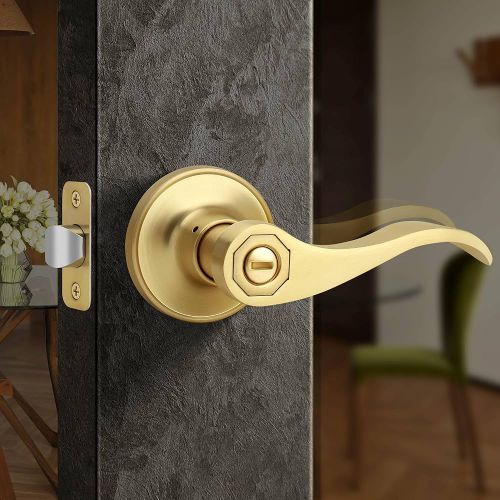
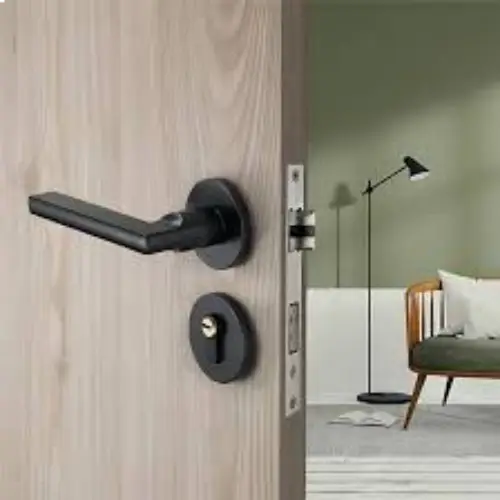
A door lever handle is a type of hardware that operates a latch by pushing down or lifting up a lever, rather than turning a knob. This design offers enhanced accessibility, making it ideal for spaces intended to be ADA-compliant (Americans with Disabilities Act) or simply easier to use for children and the elderly.
Unlike traditional round knobs, lever handles provide a wider surface area, allowing users to open doors with a simple press of the hand, elbow, or even hip — a particularly useful feature in busy kitchens or hospitals.

Types of Door Lever Handles
Before discussing reversibility, it's important to recognize that not all lever handles are created equal. There are several major categories, each designed for specific use cases:
Passage Door Levers:
Passage sets have no locking mechanism. These are typically used for interior spaces like hallways, closets, or between living areas.
Privacy Door Levers:
Designed for bathrooms and bedrooms, these levers can be locked and unlocked without a key.
Keyed Entry Door Levers:
Ideal for exterior doors, these come with a keyed cylinder for security.
Dummy Levers:
These are fixed handles used where no latch is required, purely for pulling or pushing.
When focusing on exterior passage door lever, you often find they require careful installation to ensure both security and user convenience — factors that influence whether and how they can be reversed.
How Reversing a Door Lever Handle Works?
Reversing a door lever handle typically involves adjusting the handle to fit the door's swing direction — whether it's left-handed or right-handed.
Handing refers to the direction the door swings:
If the hinges are on the left when you pull the door towards you, it's a left-handed door.
If the hinges are on the right, it's a right-handed door.
Some lever style interior door handles are "non-handed," meaning they can be installed on either left or right-swinging doors without modification. However, others are "handed" and require adjustment during installation to match the door's orientation.
General Steps to Reverse a Lever Handle:
Remove the Handle: Unscrew and detach the lever from the spindle and the door.
Swap Components: Flip or rotate parts as necessary, depending on the handle's design.
Reinstall the Handle: Attach the handle in its new orientation, ensuring the latch mechanism aligns properly.
Test Functionality: Ensure the lever operates smoothly and that any locking features work correctly.
It's important to check the manufacturer's instructions, as some luxury door levers feature more complex internal mechanisms for security or aesthetic reasons, making them slightly trickier to reverse.
When Reversing is Necessary?
There are several scenarios when reversing a door lever handle becomes necessary:
Incorrect initial installation: During renovations or new builds, contractors may need to adjust hardware to fit the actual swing of a door.
Door replacement: If an old door is replaced with one that swings the opposite way, the hardware must be adjusted accordingly.
Change in function: Sometimes spaces are remodeled (e.g., converting a closet to a small office), requiring a door's swing to change direction.
Improved accessibility: Adjusting door handles to be more ergonomic or ADA-compliant may involve reversing existing levers.
In all these situations, the ability to reverse a door lever handle offers flexibility and cost savings by avoiding the need to purchase new hardware.
Special Considerations for Exterior Passage Door Lever
Exterior passage door lever presents additional challenges because they are often integrated with security systems or weatherproof designs.
Locking Mechanisms: Make sure the locking mechanism isn't compromised when reversing the handle. Some locks are handed and can't be easily changed without affecting security.
Weather Sealing: Exterior levers often feature gaskets and seals to prevent water ingress. Reversing improperly could damage these seals, leading to potential issues.
Material Considerations: Durable materials like stainless steel or brass are standard for external applications. Improper reversing might scratch or weaken the finish, particularly on premium luxury door levers.
Thus, while many exterior lever handles are designed for reversibility, extra care is required during adjustment.
Luxury Door Levers: A Special Category