Are Smart Door Locks Worth It?
With the evolution of smart home and commercial security, smart door locks have become increasingly popular. These high tech locking systems promise convenience, remote access, and improved security over traditional mechanical locks. But the question remains—are smart door locks worth it for your home or business?
Understanding the Basics: What Is a Smart Lock Door Lock?
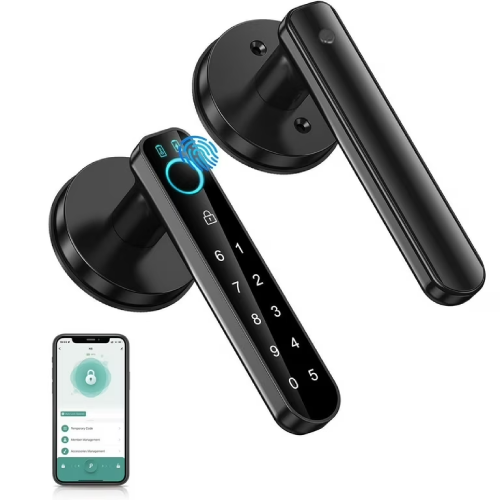
A smart lock door lock is an electronic locking system that allows you to lock and unlock doors via digital methods, such as:
Smartphone apps
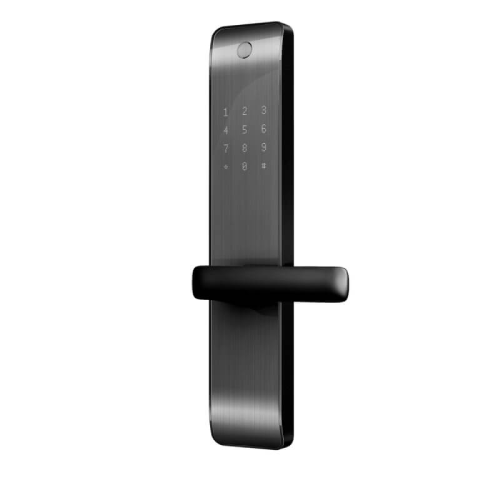
Keypads or biometric scanners
Voice assistants like Alexa or Google Assistant
Remote network access via Wi-Fi or Bluetooth
Unlike traditional key based locks, smart electronic door locks provide flexibility in access control, especially for people managing properties or commercial spaces remotely.
Smart Lock Technologies Explained: Bluetooth, Wi-Fi, and Z-Wave
Different smart locks operate using various connectivity technologies:
Bluetooth smart door locks offer proximity unlocking via mobile devices, ideal for short-range control.
Wi-Fi-enabled smart commercial locks allow remote access from anywhere, perfect for office environments.
Z-Wave smart locks integrate seamlessly into larger home automation systems but often require a hub.
Filta's smart electronic door lock systems, for instance, are equipped with dual connectivity (Bluetooth + Wi-Fi), providing redundancy and higher security. For businesses, this offers remote access control and activity logging via a centralized management system.
The Rise of Smart Commercial Lock Systems
Businesses are increasingly moving toward smart commercial lock systems for these reasons:
Access Management: Business owners can set time-based access rights for staff or third-party contractors.
Audit Trails: Every entry and exit is logged, offering valuable data for security and HR purposes.
No Lost Keys: Eliminates the risks and costs associated with lost or duplicated mechanical keys.
Filta's commercial-grade smart locks cater specifically to this need, offering keyless entry deadbolt door lock options with durable materials and enterprise-level encryption.
Keyless Entry Deadbolt Door Lock: Secure and Convenient
The keyless entry deadbolt door lock is one of the most common and preferred smart lock formats. Why?
Deadbolts offer stronger resistance against forceful entry compared to latch-based locks.
No need for physical keys, which can be stolen or copied.
Emergency unlock functions, such as backup mechanical keys or external battery ports, are built-in for reliability.
Filta's keyless locks use a multi-layer security protocol, including two-factor authentication (e.g., app + fingerprint or PIN), making them ideal for both residential and commercial applications.
Benefits of Smart Electronic Door Lock Systems
1. Remote Access and Monitoring
Smart locks let you monitor and control entry remotely. You can receive notifications on your phone whenever someone unlocks or locks the door, which is crucial for:
Homeowners who travel frequently
Property managers overseeing rentals
Office administrators managing shift-based access
2. Multiple User Codes and Temporary Access
With systems like Filta's, you can assign permanent, temporary, or recurring codes. This is useful for:
Airbnb or short-term rentals
Cleaning crews or maintenance staff
Friends or family visiting while you're away
3. Enhanced Security
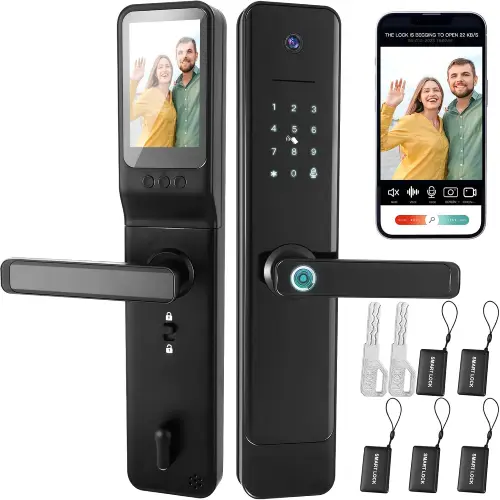
Smart locks feature automatic locking, intrusion alarms, and tamper notifications. Advanced models even integrate with CCTV systems or intercoms.
Are There Risks? What to Know Before Installing Smart Locks
Despite their benefits, smart lock door locks are not without drawbacks:
Power dependency: Most require batteries or an electric supply. Filta includes low-battery alerts and emergency key options to offset this issue.
Cybersecurity: Smart locks can be hacked if poorly configured. Opt for locks with end-to-end encryption, and always update firmware.
Initial cost: A quality smart electronic door lock may cost more upfront but provides long-term value through convenience and security.
Smart Lock Use Cases: Home vs Commercial Scenarios
Residential Use Cases:
Elderly users can grant access to caregivers remotely
Parents can monitor when kids arrive home
Vacation homes can be controlled without being physically present
Commercial Use Cases:
Offices can control access without issuing physical keys
Retail managers can revoke access instantly after employee termination
Logistics warehouses can monitor truck driver access in real time