
2026-01-30
Are Crystal Door Knobs Worth Anything?
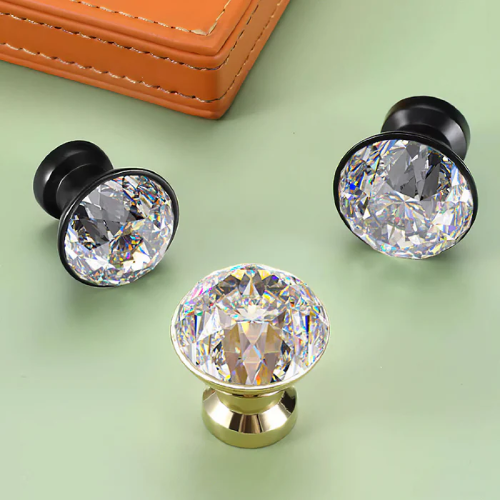
The fascination with crystal door knobs and cabinet hardware extends far beyond their immediate decorative appeal, rooted deeply in centuries of interior design evolution and cultural symbolism. Crystal knobs first gained prominence during the Victorian era when affluent households sought to distinguish their residences through opulent details. The refractive properties of cut crystal transformed simple functional hardware into miniature chandeliers, catching and dispersing light throughout rooms illuminated primarily by candlelight and early electric fixtures.
Chapter 1: The Historical Evolution and Cultural Significance of Crystal Hardware in Interior Design
This historical context explains why antique crystal door knobs command significant collector interest today. Original pieces from the late 19th and early 20th centuries, particularly those manufactured by companies like Corning Glass Works and Hazel-Atlas Glass Company, represent tangible connections to architectural heritage. The Depression glass era of the 1920s and 1930s democratized crystal hardware, producing colorful pressed glass knobs that remain highly sought after by vintage enthusiasts and restoration specialists.
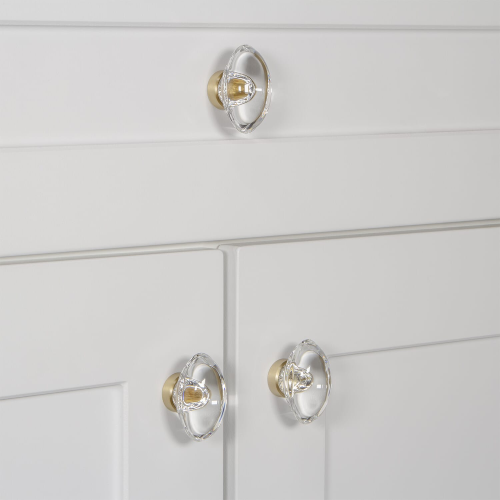
Modern appreciation for crystal cabinet knobs and wardrobe handles reflects a cyclical return to classic design principles. Contemporary interior designers frequently specify crystal hardware to bridge traditional and transitional aesthetics, creating focal points that elevate cabinetry without overwhelming architectural details. The versatility of crystal knob handles allows them to complement diverse design palettes—from minimalist Scandinavian interiors where they provide subtle sparkle to maximalist spaces where they contribute to layered visual interest.
Chapter 2: Material Science and Manufacturing Processes: Distinguishing Genuine Crystal from Imitation Products
Understanding the intrinsic value of crystal hardware requires examining the fundamental differences between genuine crystal and lower-cost alternatives. True crystal contains lead oxide, typically ranging from 24% to 32% in high-quality decorative hardware, which significantly increases refractive index and produces the characteristic rainbow dispersion when light passes through cut facets. This lead content also enhances workability during cutting and polishing processes, allowing artisans to achieve sharper edges and more precise geometric patterns than possible with standard soda-lime glass.
The manufacturing process for premium crystal cabinet knobs involves multiple specialized stages. Raw crystal material undergoes precision cutting using diamond-tipped tools to create geometric facets that maximize light refraction. Each facet requires individual polishing to achieve optical clarity, followed by quality inspection to eliminate internal bubbles or surface imperfections. High-end manufacturers maintain strict quality control protocols, rejecting pieces with visible flaws that would compromise visual performance under various lighting conditions.
Contemporary crystal knob handles for wardrobes and cabinetry benefit from technological advancements in material science. Lead-free crystal formulations utilizing barium oxide or zinc oxide provide similar optical properties while addressing environmental and health concerns associated with traditional lead crystal. These modern alternatives maintain the refractive brilliance collectors prize while meeting contemporary safety standards for residential applications.
Chapter 3: Market Valuation Factors: Assessing the Worth of Crystal Door Knobs Across Different Contexts
The question "Are crystal door knobs worth anything?" receives nuanced answers depending on whether evaluation focuses on monetary value, aesthetic worth, or functional utility. Antique crystal door knobs in excellent condition can command prices ranging from $50 to several hundred dollars per pair, with rare patterns, unusual colors, or documented provenance significantly elevating market value. Collectors particularly prize signed pieces from renowned manufacturers and limited production runs that represent specific design movements or historical periods.
For contemporary applications, crystal cabinet knobs derive value from their transformative impact on cabinetry aesthetics. Professional interior designers frequently specify crystal hardware as cost-effective upgrades that dramatically elevate kitchen and bathroom appearances without requiring structural modifications. The psychological impact of crystal hardware—creating perceptions of luxury, attention to detail, and design sophistication—translates into tangible property value enhancement, particularly in competitive real estate markets where distinctive finishes influence buyer decisions.
Manufacturing hubs like China have developed specialized capabilities in crystal hardware production, balancing traditional craftsmanship with modern efficiency. Facilities such as Filta Hardware maintain extensive libraries of crystal knob designs, offering customization options in size, color, and finish to accommodate diverse architectural styles and client preferences. This manufacturing specialization enables access to high-quality crystal hardware at various price points, democratizing what was historically an exclusive design element.
Chapter 4: Installation Considerations and Maintenance Protocols for Long-Term Crystal Hardware Performance
PRODUCT KNOWLEDGE - March 10, 2026
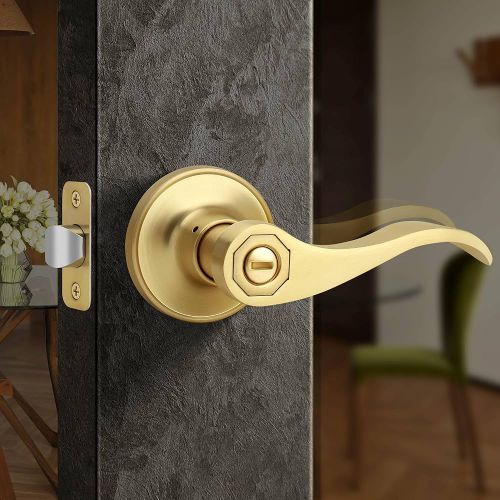
Difference Between Passage and Privacy Lockset
Learn the difference between passage and privacy locksets. Discover how bathroom privacy lock handles improve interior door functionality.
March 05, 2026
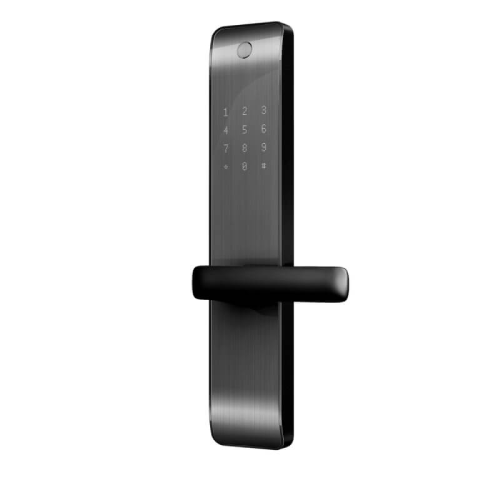
Modern Keyless House Door Lock for Secure Residential Access
Learn about smart door entry system security protocols, digital door entry systems selection criteria, and installation compatibility factors.

PRODUCT KNOWLEDGE - February 28, 2026
Why Modern Electronic Keypad Door Lock Technology Matters to Businesses
Explore modern electronic keypad door lock solutions for commercial use, covering security standards, smart integration, and OEM supply insights for global buyers.