

2024-11-16
Are Commercial Restroom Locks Different?
When selecting restroom locks, it’s essential to recognize that commercial restroom locks differ significantly from residential bathroom locks. Commercial restroom locks, often used in restaurants, offices, and public facilities, have specific designs and features intended to withstand higher traffic, ensure privacy, and provide security in busy environments. Unlike residential bathroom locks that focus more on convenience and aesthetics, ZR02-058Z-B commercial restroom locks prioritize durability, accessibility, and safety.
1. Durability and High Traffic Resilience
One of the main differences between commercial restroom locks and residential bathroom locks is durability. Commercial environments, such as restaurant bathroom door locks, must endure frequent use and constant handling throughout the day. High quality commercial restroom locks are designed with materials that can withstand heavy wear and tear, ensuring longevity. In contrast, residential bathroom locks generally see less use and are often made with materials suited for lower traffic.
Commercial restroom locks often feature reinforced metal, stainless steel, or brass materials, providing a robust design that prevents quick deterioration and ensures reliability even with hundreds of uses per day. Additionally, commercial locks may have protective coatings to resist rust and corrosion, maintaining their performance and appearance over time.

2. Enhanced Privacy and Security
Privacy is critical in any restroom setting, but commercial restroom locks typically incorporate extra privacy features. These locks often include occupancy indicators that show “Occupied” or “Vacant” on the outside, enabling users to quickly see if a restroom stall is available without attempting to open the door. This feature is especially useful in busy environments such as restaurants, airports, and shopping centers, where a clear indication of restroom availability improves the overall user experience.
For restaurant bathroom door locks, privacy also includes security against forced entry. Some commercial locks have built in mechanisms to withstand tampering, ensuring customers feel secure when using the restroom. This added layer of privacy control is less common in residential locks, where the user demographic is limited to family members and friends rather than the public.
3. ADA Compliance and Accessibility
Commercial restroom locks, particularly those used in public facilities, must adhere to the Americans with Disabilities Act (ADA) guidelines to accommodate users with varying needs. ADA compliant commercial restroom locks are typically designed for ease of use, allowing people with disabilities to access the locks easily. These locks may include lever handles, push/pull mechanisms, or other hardware that ensures accessibility, as required by law in many commercial settings.
Residential bathroom locks, on the other hand, are rarely required to be ADA compliant, as they do not serve a public function. Instead, residential bathroom locks often focus on aesthetics and simplicity, tailored to personal preference rather than public accessibility. The ADA compliance factor is particularly critical for restaurant bathroom door locks, as restaurant owners must ensure their facilities are accessible to all patrons.
4. Emergency Override Mechanisms
Commercial restroom locks often include emergency override mechanisms, allowing authorized personnel to unlock the door in case of an emergency. In a commercial setting, emergencies can arise more frequently, and having an emergency override function ensures that staff can provide immediate assistance if a customer is in distress or the lock malfunctions. This override feature is particularly useful in busy environments like restaurants, where quick access may be necessary.
In residential bathroom locks, emergency access is typically provided by a simple pinhole or key mechanism that can be unlocked by someone outside the door. However, this feature is more basic and not as robust as those found in commercial restroom locks, as the need for emergency access is generally less frequent in homes.
5. Code Compliance and Fire Safety Standards
Commercial restroom locks must often adhere to local building codes and fire safety standards that ensure the safety of occupants in commercial establishments. These standards may dictate that certain types of locks be used in specific areas to facilitate a quick evacuation in case of an emergency. For example, push-bar mechanisms or specific fire rated locks may be required on certain doors within a commercial restroom setup.
Residential bathroom locks are not generally subject to these stringent codes, as they are not part of a commercial infrastructure. While some homeowners may choose to invest in fire-rated locks, it is not typically a requirement in residential settings.
6. Design and Aesthetics
While functionality and durability are the primary considerations for commercial restroom locks, design still plays a role, especially in upscale restaurant bathroom door locks. Many restaurants and high end commercial spaces prefer locks that complement their decor while still offering robust functionality. Commercial locks come in various finishes and styles to blend in with different design themes, from minimalist modern to classic vintage.
Residential bathroom locks, on the other hand, often prioritize aesthetics over heavy duty functionality. Homeowners typically have more freedom to choose decorative designs, as the locks will not be subject to constant public use. Residential bathroom locks can range from ornate designs to simple, low profile mechanisms, focusing primarily on matching the home’s interior style.
7. Ease of Maintenance and Replacement
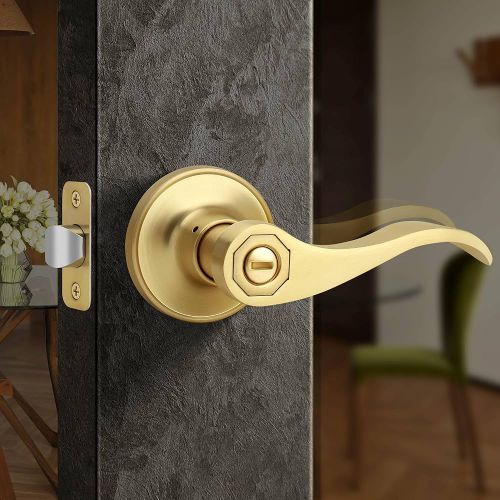
PRODUCT KNOWLEDGE - March 10, 2026
Difference Between Passage and Privacy Lockset
Learn the difference between passage and privacy locksets. Discover how bathroom privacy lock handles improve interior door functionality.
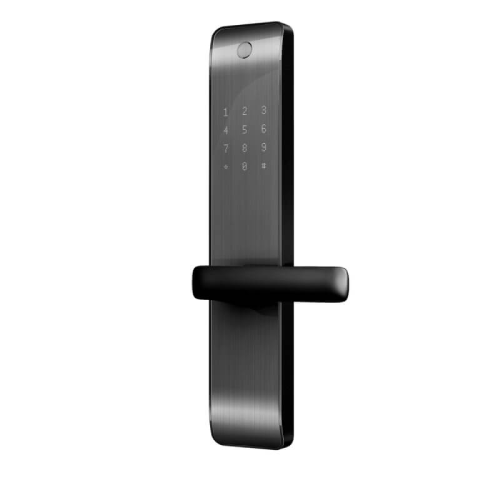
March 05, 2026
Modern Keyless House Door Lock for Secure Residential Access
Learn about smart door entry system security protocols, digital door entry systems selection criteria, and installation compatibility factors.
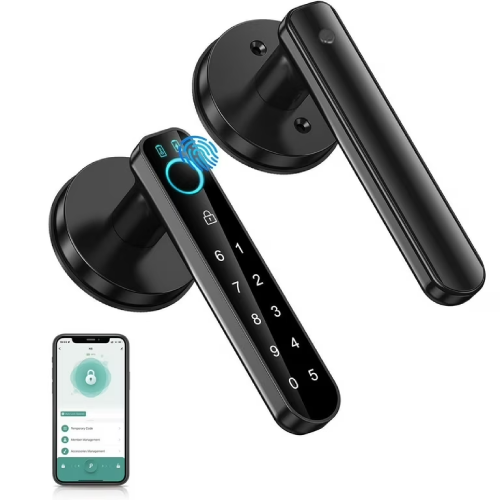
PRODUCT KNOWLEDGE - February 28, 2026
Why Modern Electronic Keypad Door Lock Technology Matters to Businesses
Explore modern electronic keypad door lock solutions for commercial use, covering security standards, smart integration, and OEM supply insights for global buyers.